International oil prices rose sharply on Thursday, October 8, as rising tensions in the Middle East and the threat of disruptions to US oil production heightened concerns about global energy supplies.
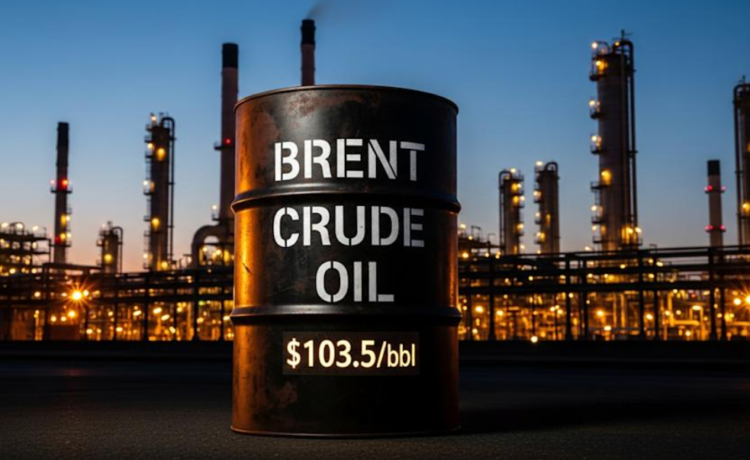
Brent crude futures settled at $104.28 per barrel, gaining $4.08, or approximately 4.1 per cent. US West Texas Intermediate crude also advanced, closing at $91.49 per barrel after increasing by $3.21.
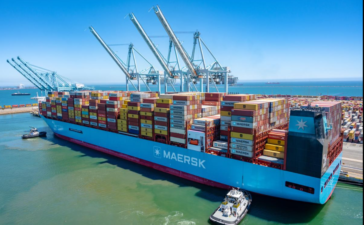
The increase reflected growing concerns about attacks on vessels in the Gulf and near the Strait of Hormuz, one of the world’s most important routes for transporting crude oil and petroleum products.
The waterway connects the Persian Gulf to international shipping routes and serves major oil-exporting countries in the Middle East. Any prolonged disruption could delay deliveries, increase transportation costs and place additional pressure on global energy markets.
Investors were also monitoring the approaching Hurricane Isaias, which threatened offshore energy installations in the US Gulf of Mexico. Several producers took precautionary measures, including suspending operations and evacuating workers.
The combination of geopolitical tensions and possible weather-related production losses increased concerns about the availability of oil in international markets.
Oil prices are closely watched by businesses because petroleum is a major input for transportation, manufacturing, agriculture and electricity generation. When crude oil prices rise, refineries and fuel distributors may face higher costs, which can eventually affect petrol, diesel and other energy prices.
Airlines and logistics companies are particularly vulnerable because fuel represents a significant portion of their operating expenses. Manufacturers may also face higher costs for moving raw materials and delivering finished products.
For consumers, sustained increases in energy prices can reduce disposable income and contribute to higher prices for food, transport and other essential goods.
The effects may be more pronounced in countries that depend heavily on imported petroleum products. Higher import bills can increase demand for foreign currency and put pressure on exchange rates and government finances.
In Nigeria, the impact of international oil prices on domestic petrol costs depends on several factors, including the naira-dollar exchange rate, local refining and supply arrangements, distribution expenses and domestic market conditions.
Although Nigeria is a major crude oil producer, fluctuations in global energy markets can still influence the country’s economy through fuel pricing, export earnings and inflation.
Oil-exporting countries may benefit from higher crude prices through increased export revenue, but the gains can be offset by production disruptions, higher import costs and domestic economic pressures.
Traders are expected to continue monitoring developments in the Middle East, the security of commercial shipping and the progress of Hurricane Isaias.
The direction of oil prices in the coming days will depend on whether supply disruptions worsen or diplomatic developments help ease market concerns.