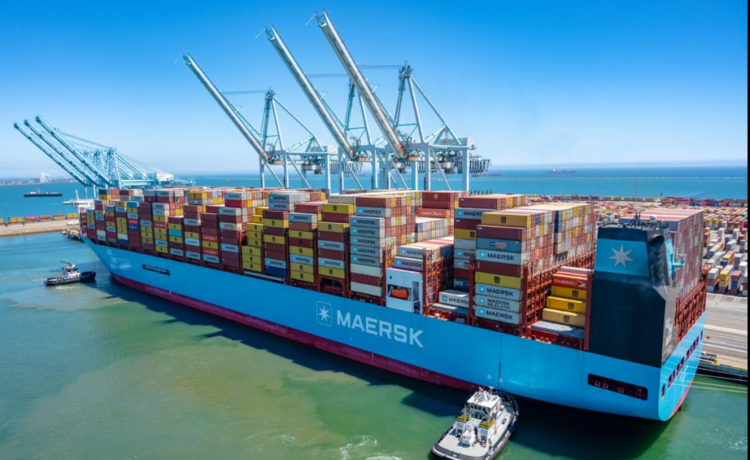
Danish shipping company Maersk has increased its emergency fuel surcharge as escalating tensions in the Middle East push up energy prices and increase costs across international transportation networks.
Reuters reported on October 8 that the company was raising its Emergency Fuel Surcharge (EFS) for export collections and import deliveries in response to the ongoing conflict and its impact on fuel markets.
The adjustment reflects the growing financial pressure on shipping and logistics operators as higher oil prices raise the cost of moving goods by sea and transporting containers between ports, warehouses and customers.
Maersk is one of the world’s largest integrated container shipping and logistics companies, providing ocean freight, inland transportation, warehousing and supply-chain services to businesses across numerous countries.
Its operations connect manufacturers, exporters, importers and retailers, making changes to its transportation charges important for companies that depend on international trade.
The latest surcharge increase comes amid concerns about attacks on commercial vessels in the Gulf and near the Strait of Hormuz. The waterway is a major route for global energy shipments, and any disruption can affect oil availability, fuel prices and transportation costs.
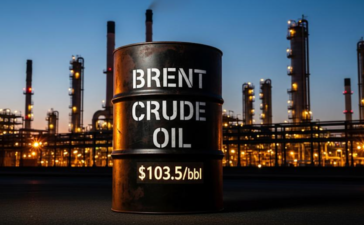
Brent crude prices climbed above $104 per barrel on Thursday as traders assessed the possibility of further supply disruptions. Higher crude prices can increase the cost of marine fuels and other energy products used throughout the transportation industry.
Shipping companies face additional expenses when fuel prices rise because vessels consume large quantities of energy during long-distance voyages. Road transport operators also face higher diesel costs when moving containers between ports and inland destinations.
Maersk’s emergency surcharge is intended to respond to these extraordinary fuel-cost pressures. Such charges can be reviewed as market conditions change, meaning customers may face further adjustments if energy prices remain volatile.
The increase could affect businesses importing or exporting goods, including manufacturers, wholesalers, retailers and agricultural producers. Companies that rely on international shipping may need to reassess their budgets and delivery arrangements to account for higher freight expenses.
For importers, increased logistics costs can reduce profit margins or force businesses to raise selling prices. Exporters may also face challenges if shipping expenses make their products less competitive in overseas markets.
Consumers could eventually experience some of these costs through higher prices for imported electronics, clothing, household goods and other merchandise, although the effect will depend on the product, route, currency movements and individual business decisions.
Small businesses may be particularly exposed because they often have less negotiating power with shipping providers and fewer opportunities to spread higher transportation expenses across large sales volumes.
The surcharge also highlights the vulnerability of global supply chains to geopolitical developments. Even businesses operating far from conflict zones can be affected when energy markets, maritime routes and freight networks experience disruption.
Companies are increasingly monitoring fuel prices, reviewing supplier arrangements and considering alternative transport routes where practical. However, rerouting vessels can also increase sailing distances, delivery times and operating expenses.
Maersk’s decision underscores the close relationship between energy markets and international trade. When fuel costs rise sharply, the effects can extend from shipping companies to manufacturers, retailers and final consumers.
The duration of the additional financial pressure will depend on developments in the Middle East, the security of maritime transport routes and the direction of international oil prices.
For businesses involved in global trade, managing freight expenses will remain important as they navigate changing energy costs and uncertainty across international supply chains.