Global stock markets came under pressure on Thursday, October 8, as rising oil prices and elevated government bond yields intensified concerns about inflation and the outlook for interest rates.
The downturn reflected growing unease among investors over the economic consequences of higher energy costs, which could increase business expenses, weaken consumer purchasing power and complicate efforts by central banks to control inflation.
According to Reuters, major US stock indexes ended the session with mixed results. The S&P 500 fell approximately 0.5 per cent, while the Nasdaq Composite dropped around 1.3 per cent. The Dow Jones Industrial Average edged up 0.1 per cent.
Technology shares were among the weakest performers, as investors reassessed the outlook for companies whose valuations have benefited from enthusiasm surrounding artificial intelligence and other emerging technologies.
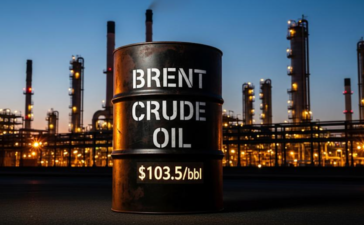
The market movements followed a sharp increase in oil prices. Brent crude rose above $104 per barrel during the session, driven by concerns about attacks on shipping in the Gulf and the Strait of Hormuz, alongside possible disruptions to US offshore production from Hurricane Isaias.
Higher energy prices can create difficulties for businesses across several sectors. Airlines, transport companies, manufacturers and logistics operators may face increased operating costs, while households could spend more on petrol, electricity and other essentials.
These pressures can reduce the money consumers have available for discretionary purchases and make it harder for businesses to maintain profit margins.
Investors were also concerned about government bond yields, which had risen to elevated levels in the United States and other major economies.
Bond yields are important to financial markets because they influence borrowing costs for governments, companies and households. When yields rise, businesses may face more expensive financing, while consumers could pay more for mortgages and other loans.
Higher yields can also make government bonds more attractive relative to shares, encouraging some investors to move money away from equities.
The combination of rising energy prices and higher borrowing costs has created a difficult environment for stock markets. Expensive oil can increase inflation, while elevated interest rates can slow economic activity by making credit more costly.
Central banks must therefore balance the need to contain inflation against the risk of weakening economic growth.
In the United States, investors have been paying close attention to signals from Federal Reserve officials about the possibility of further monetary tightening. Expectations of higher interest rates can affect share valuations, particularly for technology companies whose projected earnings lie far in the future.
The latest market weakness also comes as investors assess corporate earnings and determine whether companies can maintain profit growth amid higher operating expenses and economic uncertainty.
Although the overall market declined, not every stock or sector experienced losses. Individual company performance continued to depend on earnings expectations, business conditions and investor confidence.
For international markets, developments in the Middle East remain particularly important because prolonged disruption to oil supplies could sustain energy prices at elevated levels.
Emerging economies may face additional challenges if expensive energy coincides with a stronger US dollar and higher global borrowing costs. Countries that depend on imported fuel or foreign financing could experience pressure on their currencies, budgets and inflation outlooks.
Market participants are expected to monitor oil prices, bond yields, economic data and corporate earnings for signs of whether the current pressure will persist.
While one trading session does not establish a lasting market trend, the latest decline demonstrates how geopolitical tensions and energy-market disruptions can quickly influence investment decisions around the world.