Kenyan health authorities have reported negative preliminary test results for a suspected Ebola patient in Wajir County, offering some relief as the country strengthens surveillance following its first reported case of the disease.
Reuters reported on Thursday, October 8, that the suspected patient’s sample tested negative for Ebola, according to the county governor. The result reduced immediate concerns that the infection had spread to another person.
The development followed Kenya’s confirmation of its first Ebola case earlier in the week. The confirmed case involved a Kenyan citizen who had travelled from the Democratic Republic of Congo and later died in Nairobi.
The initial case prompted concern among health officials because Ebola can spread through direct contact with the blood or bodily fluids of an infected person, particularly when appropriate infection-prevention measures are not followed.
The suspected case in Wajir had raised fears of a possible additional infection. However, the preliminary negative result provided reassurance while authorities continued monitoring the situation.
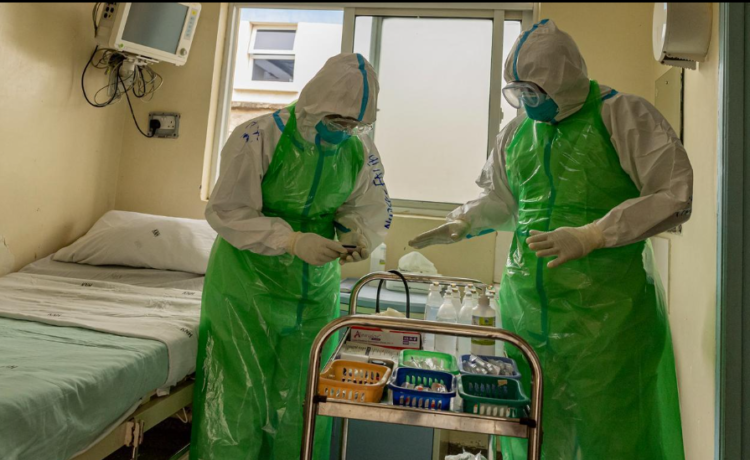
Health officials are expected to maintain surveillance and assess people who may have come into contact with confirmed or suspected cases. Contact tracing is an important part of controlling Ebola outbreaks because it helps identify potentially exposed individuals before further transmission occurs.
Kenya’s response also highlights the importance of cooperation between health facilities, laboratories, county authorities and national disease-control agencies.
Ebola is a serious viral disease that can cause fever, weakness, vomiting, diarrhoea and, in severe cases, internal and external bleeding. Early identification, isolation of suspected cases and proper protective procedures are essential to reducing transmission.
The disease is primarily transmitted through direct contact with the bodily fluids of an infected person or contaminated materials. It is not generally spread through ordinary casual contact in the same way as airborne respiratory infections.
The Democratic Republic of Congo has experienced previous Ebola outbreaks, making cross-border surveillance important for neighbouring countries.
Although the negative test in Wajir was encouraging, it did not remove the need for continued vigilance. Authorities must ensure that suspected cases are properly assessed and that anyone exposed to the confirmed patient receives appropriate monitoring.
The situation underscores the importance of transparent public communication, rapid laboratory testing and strong public health systems in preventing local infections from developing into larger outbreaks.