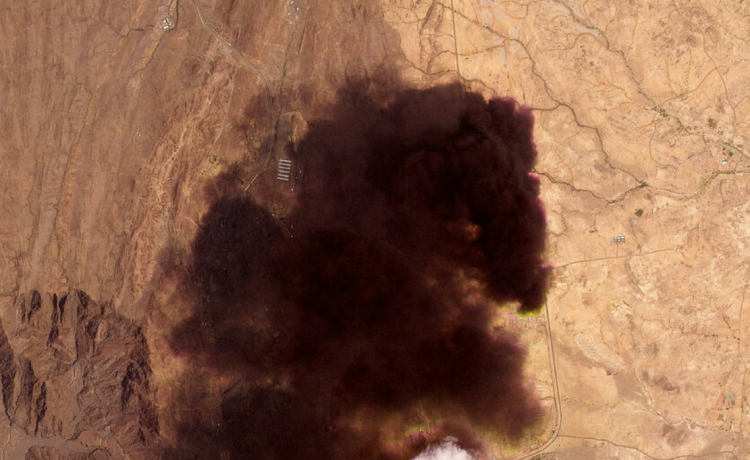
Yemen’s Iran-aligned Houthi forces launched ballistic missiles and drone attacks against southern Saudi cities on Wednesday, September 9, marking the second consecutive day of attacks on the kingdom.
The Saudi-led coalition in Yemen said the attacks targeted Abha, Khamis Mushait and Jazan, describing them as attacks on Saudi national assets and infrastructure.
The latest attacks came a day after Houthi strikes on southern Saudi Arabia injured 73 people and caused fires at oil installations. The previous attacks also targeted an airbase in Khamis Mushait and energy infrastructure in nearby areas.
Saudi Arabia’s Civil Defense later lifted emergency alerts in Khamis Mushait and Abha, but authorities remain on heightened alert because of the possibility of further attacks.
Saudi-led coalition spokesperson Turki al-Malki said the coalition would respond to the attacks in what he described as a responsible manner, with the aim of protecting Saudi sovereignty, national assets and civilians.
The renewed violence represents a serious escalation between Saudi Arabia and the Houthis. Fighting had decreased significantly after a United Nations-brokered truce in 2022, but tensions have increased again in recent months.
The Houthis have declared a naval blockade against Saudi Arabia in the Red Sea and have continued attacks against Saudi-linked energy and shipping interests. Saudi-backed Yemeni forces have also launched operations aimed at recovering territory controlled by the Houthis.
The situation is particularly worrying because Saudi Arabia is the world’s largest oil exporter. Any sustained attacks on its energy infrastructure could affect global oil supplies and push international crude prices higher.
The latest escalation is already taking place alongside a wider Middle East crisis involving Iran, the United States and Israel. Attacks around the Strait of Hormuz have also disrupted commercial shipping and contributed to Brent crude rising above $100 per barrel.
The Houthis say their attacks are a response to Saudi military actions in Yemen, while Saudi Arabia has described the strikes as a dangerous escalation.
There are also growing humanitarian concerns. Houthi-affiliated media reported deaths from alleged Saudi strikes in Yemen, although Saudi authorities have not confirmed those strikes or the reported casualty figures.
The renewed fighting could therefore have consequences far beyond Yemen and Saudi Arabia. Continued attacks could threaten oil production, Red Sea shipping and international energy markets, adding to existing economic pressure around the world.