Global oil prices climbed sharply on Thursday, October 8, as escalating tensions in the Middle East and the threat of supply disruptions from a hurricane in the United States intensified concerns across international energy markets.
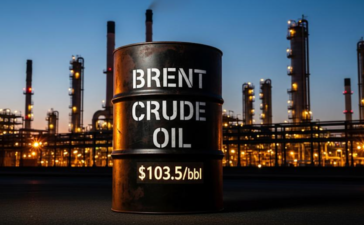
Brent crude futures settled at $104.28 per barrel, gaining $4.08, or approximately 4.1 per cent. US West Texas Intermediate crude also advanced, closing at $91.49 per barrel after rising $3.21.
During the trading session, both benchmarks had risen by more than $5 per barrel, reflecting growing uncertainty about the availability of oil from major producing regions.
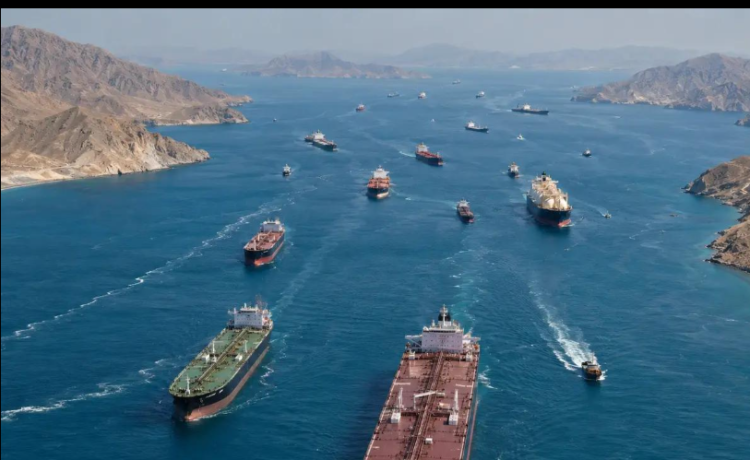
According to Reuters, the price increase was driven partly by reports of attacks on vessels in the Gulf and near the Strait of Hormuz, a strategic waterway through which a substantial share of the world’s oil and fuel supplies normally passes.
The Strait of Hormuz connects the Persian Gulf with international shipping routes and is particularly important to oil-exporting countries in the Middle East. Disruptions to shipping through the waterway can delay deliveries, raise transportation costs and increase concerns about the availability of crude oil in international markets.
The latest tensions have added to the pressure created by the ongoing conflict involving Iran and other countries in the region. Traders have been closely monitoring developments because further attacks or restrictions on maritime traffic could reduce the amount of oil reaching international buyers.
However, prices retreated from their highest levels after US President Donald Trump said Washington was engaged in productive discussions with Iran and ruled out an attack before the November midterm elections.
The comments offered some reassurance to investors, although uncertainty surrounding the conflict remained.
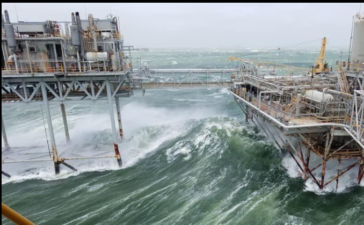
Another factor supporting prices was the approach of Hurricane Isaias towards the US Gulf Coast. The storm threatened offshore oil and gas production facilities, prompting energy companies to suspend some operations and evacuate personnel as a precaution.
The simultaneous threats to Middle Eastern shipping and American production have raised concerns about the resilience of global energy supplies.
Higher oil prices could have significant consequences for businesses and consumers. Fuel is a major input for road transport, aviation, manufacturing, agriculture and electricity generation in many countries.
When crude oil becomes more expensive, refineries and fuel distributors may face higher costs, which can eventually be passed on to consumers through increased petrol, diesel and other energy prices.
For developing economies that depend heavily on imported petroleum products, the effects can be particularly challenging. Higher international prices may increase import bills, put pressure on foreign-exchange reserves and contribute to domestic inflation.
Businesses may also face rising logistics and production expenses, potentially affecting profit margins and the prices of goods and services.
Nevertheless, the final effect on local fuel prices will depend on exchange rates, government policies, refining capacity, taxes and other domestic factors.
Energy traders are expected to continue watching developments around the Strait of Hormuz, diplomatic contacts between Washington and Tehran, and the progress of Hurricane Isaias.
Although diplomatic signals briefly eased market concerns, sustained relief will likely depend on improved security for shipping and the restoration of confidence in uninterrupted oil supplies.