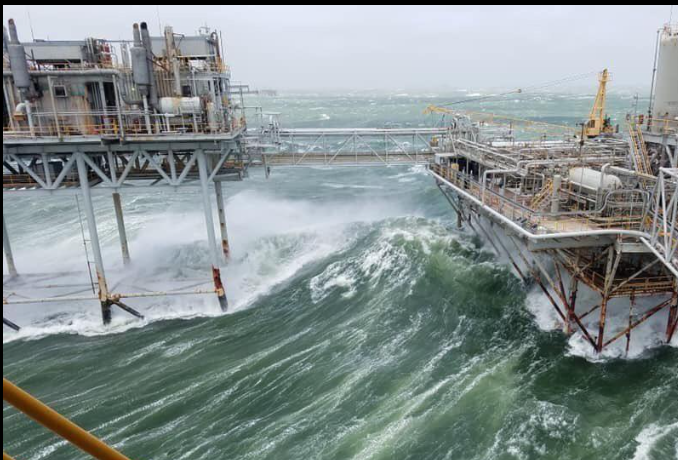
Energy companies operating in the Gulf of Mexico have begun shutting down offshore production and evacuating workers as Hurricane Isaias approaches the US Gulf Coast, raising concerns about possible disruptions to oil and gas supplies.
The storm, which strengthened into the first hurricane of the 2026 Atlantic season, has prompted precautionary measures across offshore energy facilities. Producers are reducing operations to protect workers and equipment from potentially dangerous weather conditions.
According to Reuters, Shell and Chevron were among the companies cutting production at offshore facilities as the storm developed. Shell halted operations at several installations and evacuated personnel, while Chevron began shutting down production at four of its Gulf-operated sites and moving additional workers ashore.
The companies took the measures as forecasters warned that Isaias could strengthen further before approaching the northern Gulf Coast.
The Gulf of Mexico is an important centre for US offshore oil and gas production. Its waters contain numerous platforms, pipelines and other facilities that supply energy to domestic refineries and the wider market.
When severe weather threatens the region, companies may suspend production, evacuate non-essential workers and secure offshore equipment. These actions are designed to reduce the risk of injuries, damage and environmental accidents.
However, shutting down production can temporarily reduce the amount of oil and natural gas available to the market, particularly when several operators take similar precautions at the same time.
Data reported by Reuters indicated that US Gulf oil producers had already shut in approximately 25 per cent of current regional oil production by Wednesday. Natural gas output had also been affected, although the scale of disruption differed between companies and facilities.
The approaching hurricane has therefore added another source of uncertainty to an energy market already under pressure from geopolitical tensions.
Oil prices rose sharply on Thursday as concerns about shipping attacks in the Middle East coincided with the threat to US production. Brent crude briefly climbed above $105 per barrel before settling at $104.28, while US West Texas Intermediate crude ended the session at $91.49.
The increase illustrates how simultaneous disruptions in different regions can influence global energy prices.
If the storm damages production infrastructure, pipelines or coastal refineries, the impact could extend beyond temporary shutdowns. Repairs, safety inspections and restarting complex offshore operations can take time, depending on the severity of the damage.
The hurricane also threatens communities along the Gulf Coast through potentially heavy rainfall, flooding, storm surges and damaging winds. Emergency authorities have continued monitoring the storm and advising residents in potentially affected areas to follow official guidance.
For energy companies, worker safety remains a major priority during hurricane preparations. Offshore personnel may need to be evacuated before conditions become too dangerous for helicopters and supply vessels to operate safely.
The wider economic consequences will depend on the storm’s eventual path, its intensity and the extent of damage to energy infrastructure.
A relatively brief interruption could be manageable if facilities resume operations quickly. A more severe storm could disrupt production for longer, increase repair costs and place additional pressure on fuel supplies.
Consumers and businesses are also watching developments closely because disruptions to oil and gas production can contribute to higher fuel prices, transportation costs and inflation.
For now, energy traders are assessing the potential impact of Hurricane Isaias alongside developments in the Middle East. The combination has increased uncertainty over the availability of energy supplies at a time when markets are already sensitive to geopolitical risks.