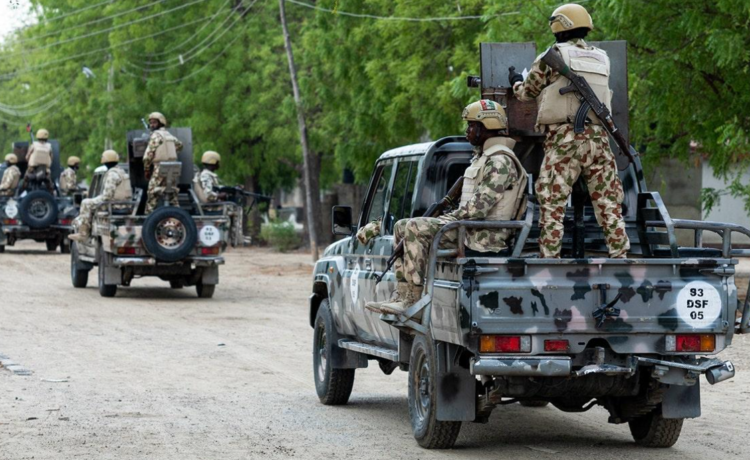
The death toll from an attack by gunmen on Binnari village in Taraba State, northeastern Nigeria, has risen to at least 62, according to reports published on October 27, 2026. The incident has renewed concerns about the protection of rural communities and the continuing security challenges facing parts of the country.
The National Emergency Management Agency’s head in Taraba State, Ladan Ayuba, confirmed the reported casualty figure, according to Al Jazeera and the Associated Press. He also said thousands of people had been displaced following the attack.
The gunmen reportedly targeted Binnari village on Friday, setting fire to homes, shops, food supplies and motorcycles. The destruction of property and essential supplies is likely to complicate recovery efforts for residents who survived the violence.
Police warned that the death toll could rise as security personnel continued operations and more bodies were recovered.
Taraba police spokesperson Victor Mshelizah told the Associated Press that officers remained on the ground and that the authorities would account for additional bodies as they were found.
The reported scale of the attack has prompted renewed calls for stronger protection of vulnerable communities and a thorough investigation into the incident.
Communities face continuing insecurity
Nigeria has faced several forms of insecurity, including armed banditry, kidnapping for ransom, communal violence and attacks by extremist groups. The nature and intensity of the threats differ between regions, but rural communities have repeatedly suffered serious consequences.
In parts of northern and northeastern Nigeria, armed groups have attacked settlements, abducted residents and destroyed property. Such incidents can force families to leave their homes, interrupt farming and trading activities, and weaken access to food and other necessities.
The reported destruction in Binnari illustrates how an attack can affect more than the immediate victims. When homes and shops are burned, residents may lose shelter, income, stored food and the tools needed to rebuild their livelihoods.
Displacement can also place pressure on neighbouring communities and local authorities, particularly when large numbers of people need temporary accommodation, food, medical assistance and protection.
However, the precise number of displaced residents, the full extent of the property damage and the identities of those responsible require continued verification through official updates and independent reporting.
Calls for accountability
Amnesty International’s Nigeria branch criticised what it described as inadequate protection for rural communities. The organisation called for an impartial investigation and appropriate assistance and reparations for survivors.
An effective response requires more than statements condemning violence. Authorities must establish what happened, investigate the perpetrators and take steps to reduce the likelihood of similar attacks.
Investigations may also need to consider how the attackers reached the village, whether early warnings were available and what measures could improve the response of security agencies.
These questions are important because preventing future attacks depends on understanding the circumstances that allowed the violence to occur. Reliable information can help authorities identify gaps in intelligence, patrol coverage, emergency communication and coordination between security agencies.
Humanitarian needs after the attack
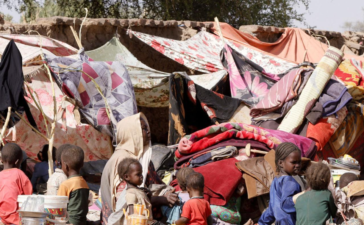
For displaced families, immediate priorities include safe shelter, food, clean water, medical care and protection from further violence. People who have lost homes or livelihoods may also need longer-term support to return safely and rebuild their lives.
Children, older people and people with disabilities can face additional difficulties during displacement. Access to schools and healthcare may also be disrupted when families leave their communities.
Humanitarian agencies and government authorities will need reliable assessments of residents’ needs before assistance can be distributed effectively.
The attack also highlights the importance of restoring confidence in the security of rural communities. Residents must be able to report threats, access emergency assistance and participate in recovery efforts without facing further danger.
The road ahead
As of the October 27 report, police indicated that casualty figures could change as recovery operations continued. The confirmed number of deaths, the scale of displacement and the investigation’s findings will therefore need to be followed through subsequent official updates.
The immediate priority is to support survivors and establish the facts surrounding the attack. Longer-term efforts must address the factors that leave rural communities vulnerable to repeated violence.
The tragedy in Binnari is a reminder that national security is measured not only by operations against armed groups but also by the ability to protect ordinary people in their homes and communities.