A humanitarian aircraft carrying 17 passengers and crew reportedly crashed into a mountain in the Democratic Republic of Congo, with all those aboard feared dead, according to a Reuters report carried by a news aggregator on October 28, 2026.
The report attributed the information to the aircraft’s flight contractor. The available details did not independently establish the identities of the passengers, the exact cause of the crash or whether rescue teams had recovered all those aboard.
The incident highlights the risks associated with aviation operations in areas where difficult terrain, limited infrastructure and challenging operating conditions can complicate transport.
Because the information available at the time was limited, the reported casualty figure and circumstances require confirmation through official statements from the relevant aviation authorities, the contractor and other credible sources.
The importance of air transport
Aircraft can play an important role in humanitarian and relief operations, particularly in countries where road infrastructure is limited or travel by land is difficult.
In the Democratic Republic of Congo, large distances, dense forests, mountainous areas and inadequate transport links can make it challenging to move people and supplies between communities.
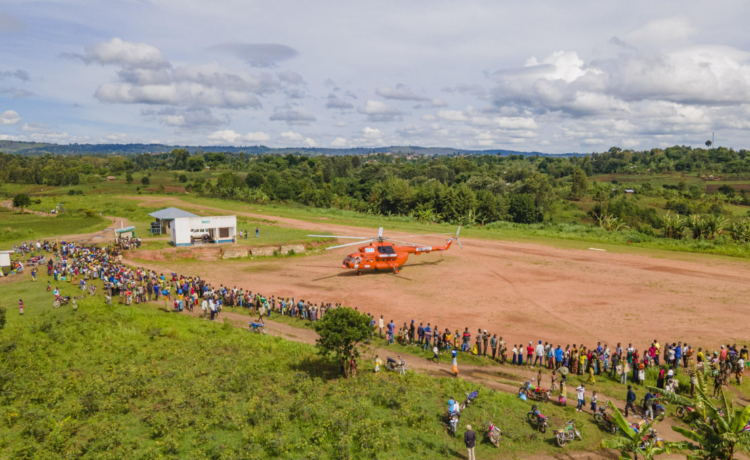
Humanitarian organisations and other operators may use aircraft to transport personnel, medical supplies, food and equipment to locations that are difficult to reach by road.
Air transport can therefore be essential for delivering assistance during emergencies. However, operations in remote areas require careful attention to aircraft condition, weather, navigation, flight planning and the availability of suitable landing facilities.
A crash involving an aircraft used for humanitarian purposes can disrupt planned operations and create uncertainty for organisations depending on air access.
Establishing what happened
Following an aviation accident, investigators generally seek to establish the sequence of events that led to the crash.
This may involve examining aircraft maintenance records, flight data, communications between the crew and air traffic services, weather conditions and the physical evidence at the accident site.
Investigators may also assess the route, the aircraft’s operating conditions and whether the flight encountered any technical difficulties.
It would be premature to attribute the reported crash to mechanical failure, weather, pilot error or any other specific cause without reliable evidence.
The location of the accident can also affect the speed of the investigation. Remote terrain may make it difficult for emergency teams and investigators to reach the site, secure wreckage and recover evidence.
Official findings are important because they can help establish accountability and identify measures to reduce the likelihood of similar accidents.
Human impact
Behind any reported aviation disaster are passengers, crew members, families and colleagues awaiting reliable information.
When an aircraft goes missing or crashes in a remote area, uncertainty can be particularly distressing. Families may not immediately know whether their relatives survived, while organisations may need time to establish passenger lists and contact next of kin.
Authorities and operators should communicate confirmed information carefully and avoid releasing unverified identities or casualty details.
Where deaths are confirmed, families may also require assistance with identification, repatriation and other practical arrangements.
Safety considerations for humanitarian aviation
Humanitarian flights can operate in demanding environments, but their importance does not remove the need for strict safety procedures.
Aircraft operators must comply with applicable aviation rules and conduct appropriate checks before flights. Risk assessments, maintenance, crew training and clear emergency arrangements are essential parts of safe operations.
The precise measures required depend on the aircraft, route, operating environment and regulations applicable to the flight.
An investigation into the reported Congo crash could provide important information about the circumstances of the accident and whether further safety measures are necessary. Until findings are published, however, conclusions about its cause should remain open.
What happens next?
The next steps will depend on confirmation from the contractor and relevant authorities. Important information includes the aircraft’s registration, its operator, the flight route, the identity and status of those aboard, and the findings of any investigation.
At the time of the available report, 17 people were feared dead. That figure should be updated only when reliable new information becomes available.
The incident underscores the importance of aviation safety and dependable communications during emergencies. It also demonstrates the difficulties of conducting transport operations in remote areas, where access can be limited and response efforts may be complicated.