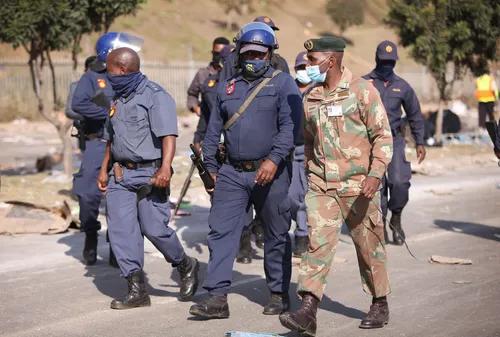
South African President Cyril Ramaphosa has authorised the deployment of 510 members of the South African National Defence Force to KwaZulu-Natal to support police operations following violence linked to misinformation about a Constitutional Court ruling on asylum procedures.
The South African government announced the decision on October 27, 2026, saying the military personnel would assist the South African Police Service under Operation Prosper, an existing joint operation addressing security challenges.
According to the Presidency, the deployment is intended to help maintain law and order amid violent incidents associated with a campaign of misinformation about the court’s judgment concerning the Refugees Act.
The government authorised the deployment for the period from October 9 to November 30, 2026. The expected expenditure was put at 34,082,720 South African rand.
The decision comes amid heightened tensions surrounding migration, asylum procedures and the treatment of foreign nationals in parts of the country.
What prompted the deployment?
According to reporting by the Associated Press, violence in Durban and other areas followed misunderstandings and misinformation about a Constitutional Court judgment concerning asylum procedures.
The court ruling removed procedural barriers affecting people seeking asylum. However, the decision became a source of public controversy amid existing tensions over immigration and calls for the removal of foreigners living illegally in South Africa.
Anti-migrant protests had occurred in KwaZulu-Natal and Gauteng. During unrest in Durban, shops owned by foreign nationals were looted, and police reported that a foreign national was beaten to death by a crowd during a march.
These incidents demonstrate the risks that misinformation can pose when it spreads in an already tense political and social environment.
It is important to distinguish between the legal question addressed by a court and claims circulating publicly about its effects. Court judgments should be understood through their actual provisions rather than unverified social media claims.
Role of the military
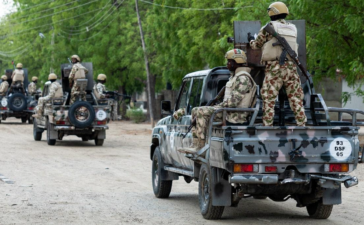
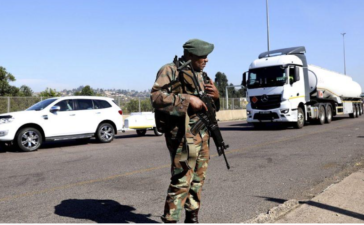
The 510 military personnel are expected to support police in maintaining public order and responding to potential security threats. The deployment forms part of Operation Prosper, which also targets other security problems, including gang violence and illegal mining.
Military assistance to police is intended to strengthen security operations when authorities determine that additional support is required. However, the presence of soldiers does not replace the need for lawful policing, civilian protection and accountability.
Security personnel must operate within the law and respect the rights of residents, including migrants, asylum seekers and South African citizens.
The government’s decision also carries financial implications. The announced expenditure of approximately 34.1 million rand represents public spending that authorities will need to account for through appropriate oversight.
Migration and social tensions
South Africa has experienced recurring tensions over immigration, employment, access to public services and the presence of foreign nationals. These issues can become particularly sensitive during periods of economic pressure or political competition.
However, concerns about immigration do not justify violence, intimidation or attacks on businesses and individuals because of their nationality.
Foreign-owned shops can form an important part of local economies, providing goods, services and employment. When these businesses are looted or destroyed, owners and workers may lose their livelihoods, while nearby communities can lose access to essential products.
Violence can also undermine public confidence in law enforcement and discourage investment in affected areas.
Addressing these tensions requires a combination of effective security operations, accurate public communication and consistent enforcement of the law.
Importance of accurate information
The circumstances surrounding the deployment highlight the need for authorities to communicate court decisions clearly and promptly. When complex legal rulings are misrepresented, false claims can fuel fear and hostility.
Government departments, legal institutions and community organisations can help reduce these risks by explaining what judgments mean, who is affected and which procedures apply.
Public communication must be supported by reliable information, while people who commit violence should be investigated through lawful processes.
What happens next?
The deployment is scheduled to continue through November 30, according to the government announcement. Authorities will need to assess whether the additional security presence improves public safety and helps prevent further violence.
The longer-term challenge is to address the tensions that contributed to the unrest without placing vulnerable communities at further risk.
South Africa’s response will be judged not only by its ability to restore order but also by whether it protects people, upholds the law and prevents misinformation from escalating into violence.