The Democratic Republic of Congo’s ongoing Bundibugyo Ebola outbreak has surpassed 10,000 confirmed infections, marking a significant escalation in a public health emergency that is challenging health authorities and response teams across parts of Africa.
According to an Associated Press report published on October 27, 2026, the outbreak had reached 10,060 confirmed infections, with nearly half resulting in death.
The outbreak, declared in May, has spread across 66 health zones in eight provinces of the Democratic Republic of Congo and reached five countries, including Kenya and Nigeria.
The scale of the outbreak has intensified concerns about the capacity of healthcare systems to identify infections quickly, provide treatment and prevent further transmission.
The response has been complicated by armed conflict, poor road infrastructure, community mistrust, violence against health workers, staff strikes over unpaid wages and pressure on treatment centres.
These challenges illustrate the difficulty of controlling a rapidly spreading infectious disease in areas where access to healthcare and public confidence in medical interventions may already be limited.
Health authorities continue to urge people to report symptoms promptly, cooperate with response teams and seek medical attention when infection is suspected.
What Is the Bundibugyo Ebola Virus?
Bundibugyo Ebola virus is one of the viruses that can cause Ebola virus disease, a severe illness that can lead to death.
Ebola spreads primarily through direct contact with the blood or other bodily fluids of an infected person who is showing symptoms, or through contaminated materials.
Symptoms can include fever, weakness, muscle pain, headache and sore throat, followed by vomiting, diarrhoea, abdominal pain and, in some cases, bleeding.
These symptoms can resemble other illnesses, making timely medical assessment and laboratory testing important during an outbreak.
The Bundibugyo species is distinct from the Zaire ebolavirus species responsible for several previous major Ebola outbreaks. Vaccines and treatments developed for one Ebola species cannot automatically be assumed to provide equivalent protection against another.
Public health authorities therefore need to determine which virus is responsible for an outbreak and use appropriate medical and containment strategies.
People who suspect exposure should contact health professionals and follow official public health guidance rather than attempting to diagnose or treat the illness themselves.
Spread Across Multiple Countries Raises Regional Concerns
The outbreak’s expansion beyond Congo has increased the importance of cooperation between neighbouring countries.
The Associated Press reported that the outbreak had reached five countries, including Kenya and Nigeria. The report also indicated that Uganda and France had no active cases at the time of publication.
Cross-border movement can complicate disease surveillance because infected individuals may travel before symptoms appear or before an infection is identified.
This makes communication between public health authorities, border agencies, hospitals and international partners particularly important.
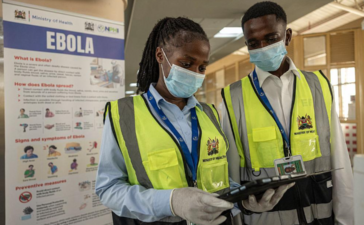
Screening measures, contact tracing and timely reporting can help identify people who may have been exposed and connect them with appropriate medical support.
However, travel screening alone cannot prevent every infection from crossing a border. Strong healthcare systems, public awareness and accessible testing remain important parts of an effective response.
The outbreak has also prompted calls for African countries to coordinate their response strategies and strengthen the exchange of information.
Health Workers Face Dangerous Conditions
One of the most serious obstacles to controlling the outbreak is the difficulty of delivering healthcare safely in affected communities.
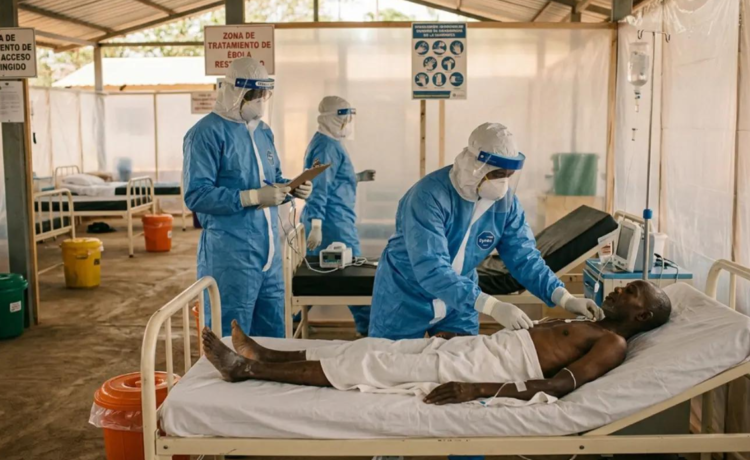
The Associated Press reported that response teams have faced armed conflict, poor roads, mistrust and violence, while some treatment centres have become overwhelmed.
Separately, Reuters reported on October 27 that a nurse involved in Ebola awareness work in Congo’s Tshopo province had been killed in an attack by an angry group armed with machetes. Another community health worker was wounded.
According to the report, the attackers accused the workers of spreading the disease by contaminating water.
The incident illustrates how misinformation and fear can undermine public health efforts. When community members distrust health workers, they may avoid testing, delay treatment or obstruct efforts to identify contacts.
Attacks on medical personnel can also deprive communities of essential services at a time when the need for healthcare is especially urgent.
Public health authorities therefore need to communicate clearly with residents, work with trusted local leaders and protect healthcare personnel carrying out their duties.
Accurate information about transmission can help counter rumours and encourage people to seek medical assistance.
The Outbreak Is Affecting Wider Healthcare Services
The impact of the outbreak extends beyond Ebola treatment itself.
The Associated Press reported that the emergency has disrupted routine vaccination programmes and the response to other diseases, including cholera.
It has also contributed to broader hardship for families, including interrupted schooling and concerns about maternal healthcare.
When hospitals become overwhelmed or pregnant women fear visiting health facilities, essential services can be delayed. This can create additional risks for people who do not have Ebola but still need medical attention.
Maintaining routine healthcare alongside emergency response operations is therefore an important challenge for the authorities.
International assistance, reliable medical supplies, sufficient staffing and financial support can help affected communities maintain access to essential services.
Why Contact Tracing and Community Trust Matter
Contact tracing helps health authorities identify people who may have been exposed to an infected individual so that they can receive appropriate monitoring and support.
However, the Associated Press reported that around 80 per cent of new cases were occurring outside monitored contacts, indicating that transmission chains were being missed.
This makes early detection more difficult and increases the likelihood that infections will be identified only after people become seriously ill.
Improving contact tracing requires more than collecting names. Health workers must be able to reach communities, obtain accurate information and maintain public confidence.
Authorities must also ensure that people can access medical assessment without facing unnecessary barriers.
Communities should receive clear guidance on symptoms, exposure risks and where to seek help. Information should be delivered in languages and formats that residents understand.
Congo’s Bundibugyo Ebola outbreak passing 10,000 confirmed infections marks a major public health challenge for the Democratic Republic of Congo and the wider African region.
The outbreak’s geographical spread, pressure on healthcare facilities and difficulties facing health workers underline the need for sustained surveillance, timely treatment and coordinated regional action.
Addressing misinformation and protecting medical personnel will also be critical to ensuring that response teams can reach affected communities.
As the situation develops, public health authorities will need to combine emergency containment measures with continued access to routine healthcare and transparent communication.