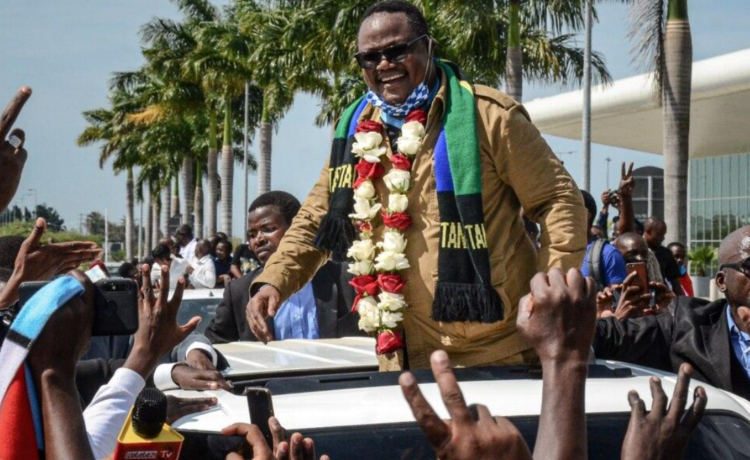
Tanzania’s jailed opposition leader, Tundu Lissu, has ended a brief hunger strike following a meeting with his lawyers, according to reports published on Tuesday, October 27, 2026. The development comes amid continued concerns about political opposition, access to legal representation and human rights in the East African country.
According to reporting by the Associated Press and Reuters carried by Al Jazeera, Lissu began refusing food after his lawyers encountered difficulties obtaining access to him in prison. His legal representative, Rugemeleza Nshala, said the opposition leader ended the protest after a meeting involving his brother and following arrangements that allowed him to consult with his legal team.
Accounts of when the hunger strike began differed. A spokesperson for Lissu’s party, the Party for Democracy and Progress, known as CHADEMA, said the protest started on Monday. His lawyer, however, told the Associated Press that Lissu began refusing food on Tuesday morning after expected private consultations failed to take place.
Tanzania’s prisons service disputed reports that Lissu was participating in a hunger strike. The service reportedly told the Swahili-language newspaper Mwananchi that he was safe and had not stopped eating.
The conflicting accounts highlight the difficulty of independently establishing events involving detainees when access to information is limited.
A prominent opposition figure
Lissu is one of Tanzania’s best-known opposition politicians. He came second in the 2020 presidential election and has been a prominent advocate for political and electoral reforms.
His political career has also been marked by violence. In 2017, he survived an assassination attempt in which he was shot multiple times. His supporters have continued to raise concerns about the treatment of opposition figures and the political environment in the country.
He was arrested in April 2025 after addressing a political rally calling for electoral reforms. Prosecutors charged him with treason, alleging that his speech encouraged the public to rebel and disrupt the general election held the previous year.
Lissu has pleaded not guilty. His lawyers have described the prosecution as politically motivated, while the government has rejected wider allegations of human rights abuses and said it is committed to respecting fundamental rights.
The legal proceedings have attracted attention because treason carries the possibility of a death sentence under Tanzanian law.
Wider political implications
The case has become part of a wider debate about political freedoms and the treatment of government critics in Tanzania. Allegations of abductions and intimidation have also drawn scrutiny, although the government has rejected claims of widespread abuses.
A government-appointed inquiry into violence following the 2025 election reportedly found that at least 518 people had been killed. CHADEMA has put the number substantially higher, at approximately 2,000, while the United Nations has said it could not verify the party’s figure.
The differences between the reported casualty figures demonstrate the importance of transparent investigations and reliable documentation.
Lissu’s brief hunger strike also draws attention to the importance of access to lawyers for people in detention. Private consultation with legal representatives is a key part of preparing a defence and ensuring that defendants can understand and respond to the charges against them.
What happens next?
According to the October 27 report, a judgment in Lissu’s treason case was scheduled for November 6, 2026. That date makes the coming days particularly important for his legal team, supporters and observers of Tanzania’s political environment.
The end of the hunger strike does not resolve the underlying legal dispute or the wider concerns surrounding his detention. The next developments will depend on court proceedings and any further official statements.
For now, the reported agreement allowing Lissu to meet privately with his lawyers marks the immediate outcome of his protest. However, the conflicting accounts surrounding his treatment underline the need for continued, independently verified reporting.