Black Sea Shipping Faces Fresh Uncertainty
Commercial shipping in the Black Sea remains under pressure after Russia rejected a proposal aimed at reducing attacks on vessels transporting agricultural commodities.
The development adds to concerns over maritime security and the reliability of one of the world’s important agricultural shipping regions.
According to a report published Monday, Ukraine had proposed an arrangement to stop attacks on ships carrying agricultural goods through the Black Sea.
Russia rejected the proposal.
Why the Black Sea Matters
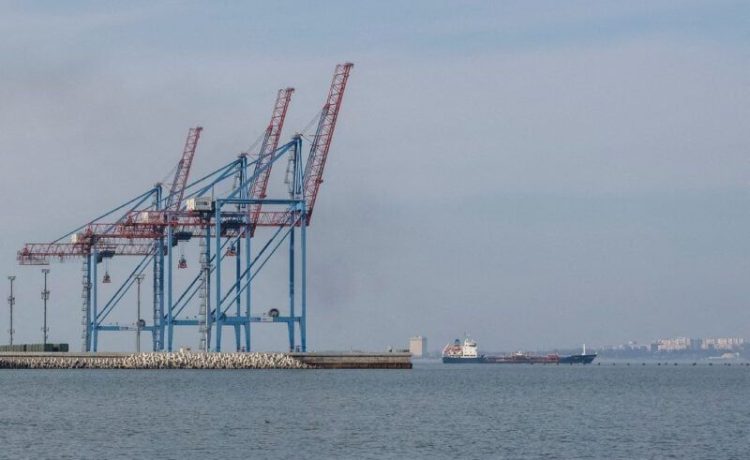
The Black Sea is a critical maritime corridor for agricultural exports.
Ports in the region connect major grain-producing areas to international markets.
Any disruption to shipping can therefore have consequences beyond the countries directly involved.
Food importers in Africa, the Middle East and Asia can be particularly sensitive to disruptions in grain supplies.
When ships face increased security risks, insurance costs may rise.
Shipowners may also demand higher freight rates to compensate for the additional risks.
Some operators may decide that certain voyages are no longer commercially attractive.
Maritime Security Remains a Major Concern
The rejection of the proposed truce highlights the continuing difficulty of maintaining safe commercial navigation during conflict.
Merchant vessels are civilian assets.
They carry food, fuel, manufactured products and other commodities required by international markets.
When commercial shipping becomes exposed to military activity, the consequences can include vessel damage, crew injuries, cargo losses and prolonged disruptions.
The international shipping industry therefore closely monitors developments affecting maritime corridors.
Risks Extend to Global Food Markets
Agricultural shipping is particularly important because food supply chains depend on predictable transportation.
A delay at a port can affect storage facilities, commodity traders and importers.
If vessels cannot move efficiently, buyers may need to seek alternative suppliers.
That can increase prices and put pressure on food-importing countries.
African markets are especially important in this context because several countries depend heavily on imported wheat and other agricultural commodities.
Shipping Companies Must Reassess Routes
The situation means shipowners operating in the Black Sea must continuously reassess voyage risks.
Risk assessments can include naval activity, missile threats, mines, port conditions, insurance requirements and communications with maritime authorities.
Some operators may choose to alter sailing schedules.
Others may rely on additional security measures or seek updated guidance before entering high-risk areas.
These precautions can increase voyage costs.
The Importance of International Maritime Rules
The continuing tension also underscores the importance of international maritime institutions and established rules governing commercial navigation.
The International Maritime Organization and other international bodies have repeatedly emphasized the importance of protecting seafarers and merchant vessels.
Commercial ships should be able to transport legitimate cargo without becoming targets of conflict.
However, achieving that objective depends heavily on political and military conditions.
Outlook for Black Sea Trade
The rejection of the proposed truce means uncertainty is likely to remain.
For agricultural exporters, the priority will be maintaining access to international markets.
For shipping companies, the priority will be protecting vessels and crews while controlling operational costs.
For importers, the concern will be maintaining reliable supplies.
The situation therefore demonstrates how closely maritime security and food security are connected.
Until there is greater stability in the region, Black Sea shipping is likely to remain a high-risk operating environment.
International markets will continue to watch developments closely because any major disruption to commercial shipping could quickly affect freight costs, commodity prices and global agricultural supply chains.