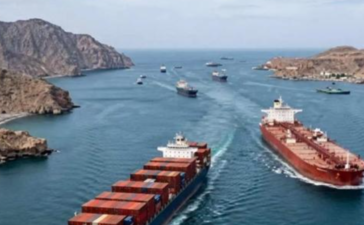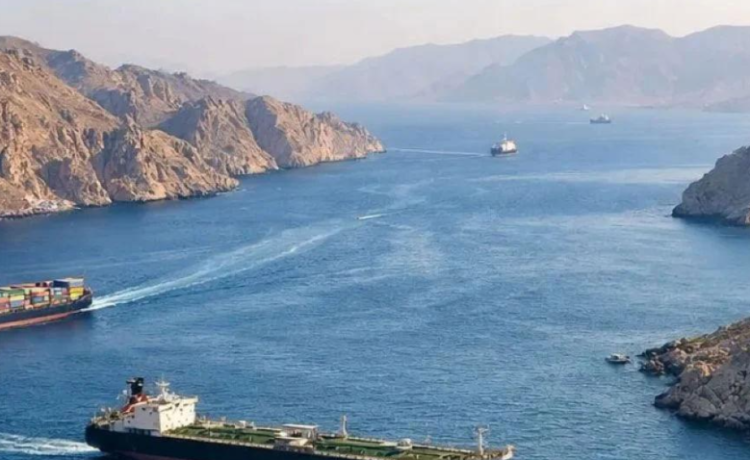
The United Nations has warned that failure to reach an agreement on the safe movement of fertilisers through the Strait of Hormuz could trigger a serious food-security crisis in parts of Africa and Asia.
The warning comes amid continuing tensions between the United States and Iran, which have disrupted shipping through one of the world’s most important maritime corridors.
The Strait of Hormuz connects the Persian Gulf with the Gulf of Oman and the wider ocean shipping network. It is a major route for energy products and important industrial materials, including substances used in fertiliser production.
According to Reuters, UN Under-Secretary-General Jorge Moreira da Silva said the proposed arrangements for safely moving fertiliser shipments could be activated within approximately seven to ten days once an agreement is reached.
However, negotiations remain stalled.
Why fertilisers matter to food production
Fertilisers supply nutrients that crops need to grow. Farmers use them to improve yields and maintain agricultural productivity, particularly where soil nutrients are insufficient to support high production.
Nitrogen fertilisers such as urea are important for crops including maize, rice and wheat. Sulphur is also essential to various industrial processes, including the production of some fertilisers.
When supplies become scarce, manufacturers may face higher costs and farmers may be forced to reduce the quantities they use. This can lower crop yields and increase the cost of producing food.
The consequences may extend beyond the countries directly affected by shipping restrictions because fertiliser prices are connected to international commodity markets.
A proposed plan for safe passage
The United Nations has been working on a mechanism intended to facilitate monitored passage for fertiliser shipments through the Strait of Hormuz.
The proposed arrangement would use a coordination centre in Oman to help organise safe maritime movements. The aim is to restore at least part of the flow of essential agricultural materials while reducing risks to commercial vessels.
The plan requires agreement between the parties involved in the conflict. Differences over wider political and security issues have complicated negotiations.
The longer the disruption continues, the more difficult it may become for importers, manufacturers and farmers to plan their activities.
Implications for Africa
Many African countries depend on imported fertilisers to support domestic agriculture. Higher import prices can put pressure on government budgets, agricultural businesses and farmers.
Small-scale farmers may be particularly vulnerable because they often have limited access to credit and cannot easily absorb higher production costs.
If farmers reduce fertiliser use, harvests could suffer. Lower production may then contribute to higher prices for staple foods, placing additional pressure on household budgets.
Countries that already face food insecurity may have fewer resources available to cushion the effects. Governments could face difficult decisions about subsidies, emergency food assistance and support for agricultural production.
Consequences for Asia and global markets
Asian economies are also exposed to disruptions in fertiliser and energy supply chains. Large agricultural sectors depend on reliable access to inputs, and shipping delays can interfere with seasonal planting schedules.
Global food prices are influenced by several factors, including weather conditions, energy costs, transport expenses, currency movements and conflict. Fertiliser shortages would add another source of pressure.
Even when supplies eventually resume, higher freight rates and delayed deliveries can continue affecting prices.
What needs to happen next?
An agreement allowing safe and predictable passage could help restore confidence among shipping companies and commodity traders.
Governments and international organisations may also need to support vulnerable farmers through access to inputs, agricultural financing and measures that improve domestic food production.
Diversifying supply sources and strengthening local fertiliser production could reduce exposure to future disruptions, although these changes take time and investment.
Conclusion
The UN warning highlights the connection between maritime security and food security. Continued disruption in the Strait of Hormuz could affect farmers and consumers thousands of kilometres away. A workable agreement on safe shipping would be an important step towards protecting agricultural supply chains and limiting further pressure on food prices.