Commercial shipping through the Strait of Hormuz is facing renewed security threats as Iran reportedly intensifies attacks against vessels operating in and around the strategic waterway.
According to a Reuters report published on October 14, 2026, two senior Iranian officials said Tehran had introduced new tactics to target ships it considers to be violating its restrictions. The development comes amid continuing conflict involving Iran, the United States and Israel.
The Strait of Hormuz is one of the world’s most important maritime passages because it connects the Persian Gulf with the Gulf of Oman and the wider Indian Ocean. Before the current conflict, approximately one-fifth of global oil and liquefied natural gas trade passed through the waterway.
The latest escalation has increased concerns among shipowners, maritime security organisations, energy companies and governments that depend on uninterrupted access to international shipping routes.
Attacks Raise Safety Concerns
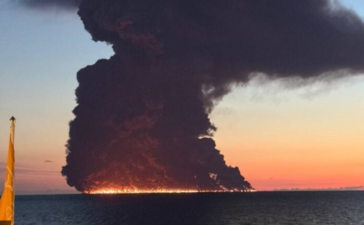
Reuters reported that at least five incidents involving tankers and other commercial vessels occurred around the Hormuz area during the 48 hours preceding its October 14 report. Maritime security sources also indicated that the frequency of attacks had increased.
Reported tactics include drone activity, surveillance of merchant vessels and harassment of ships. A United States military official told Reuters that Iranian forces had begun using unarmed observers in small boats to identify potential targets following damage to Iran’s radar capabilities.
The changing security environment creates additional challenges for shipping companies. Crews may face threats even when travelling aboard commercial vessels that are not directly involved in military operations.
The United Kingdom Maritime Trade Operations agency has continued to monitor and report maritime security incidents in the region. Ship operators are expected to pay close attention to official warnings, vessel tracking information and guidance from their security advisers.
Oil Transportation and Shipping Costs
The Strait of Hormuz plays a major role in moving crude oil, refined petroleum products and liquefied natural gas to international markets.
Disruptions to traffic can affect oil prices, tanker availability, freight rates and the cost of transporting energy products. When vessels are attacked or the risk of attack increases, shipowners may delay departures, change routes or suspend operations in particularly dangerous areas.
Longer alternative journeys can increase fuel consumption, crew expenses and delivery times. Insurance providers may also charge higher premiums for ships operating in designated high-risk waters.
These additional expenses can eventually affect energy companies, manufacturers, transport operators and consumers.
The consequences may be particularly serious for countries that depend heavily on imported fuel. Businesses that rely on petroleum products could face increased operating costs if disruptions continue for an extended period.
A Wider Area of Concern
Reuters reported that the new Iranian strategy could extend beyond the Strait of Hormuz into the Gulf of Oman and waters near Qatar and the United Arab Emirates.
Such an expansion would make it more difficult for shipping companies to identify safe routes and could increase the area requiring maritime surveillance.
The situation has also created diplomatic and military tensions, with the United States maintaining pressure on Iran through sanctions and naval measures.
Iran’s reported objective, according to the officials cited by Reuters, includes maintaining pressure on oil prices and influencing political calculations in the United States ahead of its November midterm elections. These are reported assessments, not independently established conclusions about every incident.
What It Means for the Maritime Industry
The developments highlight the need for effective cooperation between governments, port authorities, shipowners and international maritime organisations.
Shipping companies must consider crew safety, emergency procedures, insurance arrangements and the availability of alternative routes when planning voyages through high-risk waters.
For seafarers, the immediate priority is protection from attacks and access to reliable emergency assistance. For the wider industry, the priority is preventing further disruption to the movement of essential commodities.
The Strait of Hormuz remains strategically important to the global economy. Continued attacks or restrictions could deepen uncertainty in energy markets and international trade.
As the situation develops, maritime operators will be watching for changes in security warnings, shipping traffic and diplomatic efforts aimed at restoring safer passage through the waterway.