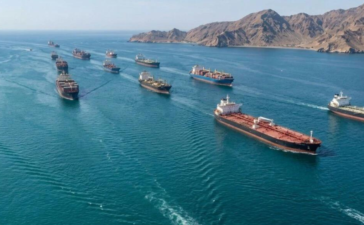
Two commercial vessels have sunk near the Strait of Hormuz in separate incidents, highlighting the growing dangers facing international shipping amid escalating tensions involving Iran and the United States.
Reuters reported that the Singapore-flagged container ship GFS Pride sank after being struck by a projectile and catching fire. All 21 crew members were evacuated, according to the report.
The second vessel, the Antigua and Barbuda-flagged dry bulk carrier Cape Dao, also sank after sustaining damage in an earlier incident.
The incidents underline how conflict around a strategic maritime passage can affect vessels carrying goods unrelated to military operations.
Why the Strait of Hormuz is important
The Strait of Hormuz is a narrow waterway connecting the Persian Gulf to the Gulf of Oman and the wider international shipping network.
It is especially important for global energy transportation. Oil and gas shipments passing through the area supply markets across Asia and other parts of the world.
The route also forms part of broader commercial networks that transport industrial materials and other goods.
When vessels face threats in the area, shipowners may need to reconsider routes, increase security measures or delay voyages. These decisions can increase costs and disrupt delivery schedules.
Risks to seafarers
Commercial shipping depends on the safety of crews working far from shore. Attacks can cause fires, structural damage, injuries and loss of life.
The evacuation of the GFS Pride’s crew without reported fatalities was a positive outcome, but it does not remove the danger posed by attacks on merchant vessels.
Ship operators must assess the risks facing each voyage and follow relevant safety guidance. Depending on the circumstances, crews may need emergency drills, evacuation arrangements and additional communication with maritime authorities.
International maritime organisations have repeatedly emphasised the importance of protecting civilian seafarers and ensuring that commercial ships can navigate safely.
Effects on global trade and energy prices
Shipping disruptions can affect the cost of moving goods even when vessels are not directly damaged.
Companies may face higher insurance premiums, additional security expenses and delays while waiting for safer conditions. If ships take longer routes, fuel consumption and freight costs may also increase.
For oil markets, uncertainty around the Strait of Hormuz can contribute to price volatility because traders consider the possibility of supply interruptions.
Higher transportation and energy costs can eventually affect businesses and households through more expensive fuel, food and manufactured products.
International response and accountability
The attacks have prompted concern among maritime authorities and shipping organisations. The Singapore-flagged vessel’s loss has drawn particular attention to the risks faced by commercial operators in the region.
Determining responsibility for each incident is important. Investigators need to examine available evidence, vessel records and information from crews and maritime monitoring agencies.
International law provides protections for civilian shipping, and attacks on commercial vessels can raise serious legal questions depending on the circumstances.
Governments also face the challenge of protecting navigation without creating further escalation.
What shipping companies may do
Operators may increase risk assessments, strengthen communications with maritime security services and review whether particular voyages can proceed safely.
Cargo owners may also seek alternative suppliers or adjust delivery schedules if shipments become unreliable.
However, rerouting large volumes of international trade is not always easy. Alternative routes can be longer, more expensive or unable to accommodate all the traffic normally handled by a major shipping corridor.
Conclusion
The sinking of two commercial vessels demonstrates the human and economic consequences of maritime insecurity. Protecting crews and maintaining safe shipping routes will be essential to limiting further disruption. As tensions continue, the decisions made by governments and maritime operators will influence the cost and reliability of international trade.