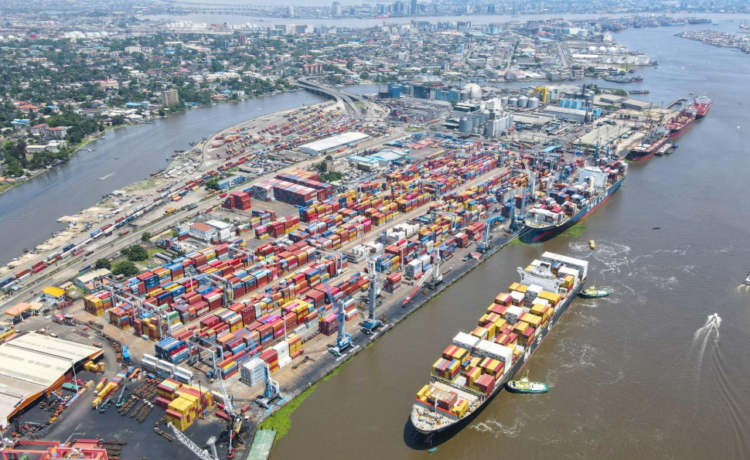
Importers operating in Nigeria have called for urgent reforms to speed up the processing of port debit notes, warning that unnecessary delays increase business costs and slow the release of imported goods.
The call was made by Uzotex Bonded Terminal, a subsidiary of Blue Diamond Logistics China, amid continuing concerns about the efficiency of cargo clearance at Nigerian ports.
According to a report published by Punch Newspapers on October 8, 2026, the Chairman of Blue Diamond Logistics China, Festus Mbisiogu, said the processing of debit notes should be completed within one or two hours after an importer has been assessed and instructed to make an additional payment.
He made the remarks recently in Lagos during the company’s 20th anniversary celebration, where discussions also focused on challenges facing businesses involved in international trade.
A port debit note is a payment document issued when an importer is required to pay additional charges before cargo can be released. Delays in processing these payments can prevent goods from leaving the port, even when importers are prepared to settle the outstanding amounts.
Mbisiogu argued that importers should not have to wait two or three days to complete the process. He said reducing the waiting period would improve port efficiency and make it easier for businesses to move their goods after meeting the necessary regulatory and financial requirements.
He acknowledged that recent digital reforms introduced by the Nigeria Customs Service had improved cargo tracking and reduced clearance times for some consignments. However, he maintained that bottlenecks remained in certain stages of the clearance process.
According to the report, digital improvements have helped reduce the clearance period for some cargoes from approximately one week to between two and three days.
Mbisiogu said authorities should build on these improvements by identifying and removing unnecessary delays across the cargo clearance chain.
The issue is significant for importers because prolonged cargo delays can result in additional storage fees, demurrage charges and other expenses. These costs may increase the overall cost of importing goods and put pressure on businesses already dealing with high operating expenses.
Faster processing could also improve the movement of goods through ports, support supply chains and help businesses deliver products to customers more efficiently.
Mbisiogu further commended the Nigeria Customs Service for its digital initiatives, which have improved the visibility of cargo movements and enabled importers to monitor consignments online.
He also supported stronger regulatory compliance among bonded terminal operators, noting that businesses operating under government licences must meet the relevant requirements.
The call comes as Nigeria continues to pursue improvements in port operations, trade facilitation and cargo clearance. Efficient maritime infrastructure is important to the country’s import and export activities, as delays at ports can affect businesses across several sectors of the economy.
Industry stakeholders are therefore urging authorities and port operators to sustain digital reforms while ensuring that payment procedures are transparent, timely and efficient.
The proposed one-to-two-hour processing target would represent a significant improvement if implemented effectively. However, achieving this would require coordination among customs officials, terminal operators, shipping companies, importers and other stakeholders
involved in cargo clearance.