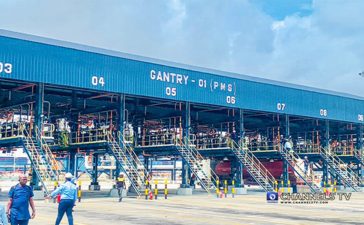
Crude oil remains one of Nigeria’s most important sources of export earnings and government revenue. Changes in production can influence the country’s foreign exchange supply, public finances and ability to fund development projects.
When production increases, Nigeria may have more crude available for export or domestic refining, depending on its contractual obligations and the amount required by local refineries.
However, an increase in production does not automatically guarantee a corresponding rise in government revenue. Earnings also depend on international oil prices, production costs, the terms of petroleum agreements and the amount of oil that is actually sold.
For Nigeria, the challenge is to improve production reliability while reducing the operational problems that have affected the industry.
Production challenges and investment
Nigeria’s oil sector has faced challenges including theft, pipeline damage, insecurity in producing areas and interruptions to operations. Such problems can prevent companies from producing at full capacity and can increase the cost of maintaining facilities.
Investment in pipelines, terminals, production equipment and security can help improve reliability. Companies also need predictable regulations and clear commercial arrangements to justify long-term projects.
Production growth must be supported by the ability to transport crude safely from fields to terminals and refineries. Where infrastructure is damaged or unavailable, additional production capacity may not translate into additional sales.
What higher output could mean for public finances
Oil earnings can help the government finance infrastructure, education, healthcare and other public services. They can also contribute to foreign exchange inflows that support international payments.
However, heavy dependence on oil exposes public finances to price fluctuations. If international prices fall, government revenue may decline even when production remains steady.
This is why economic analysts often encourage Nigeria to broaden its revenue base through taxation, manufacturing, agriculture, services and other productive sectors.
A stronger non-oil economy can help reduce the impact of sudden changes in petroleum earnings.
The role of domestic refining
Nigeria’s expanding domestic refining capacity creates additional opportunities for the oil industry. Local refineries can process crude into petrol, diesel, aviation fuel and other products, potentially reducing the need to import some refined petroleum products.
The overall benefit depends on refinery performance, crude supply arrangements, operating costs and the prices at which finished products are sold.
Domestic refining can also create jobs and support businesses involved in transport, storage, maintenance and distribution.
At the same time, the government and industry must ensure that the sector operates within environmental and safety standards.
Why transparency matters
Clear reporting of production volumes, sales, costs and revenue is important for public confidence.
Accurate data helps investors understand the industry’s performance and allows citizens to assess how petroleum resources contribute to national development.
Effective oversight is also needed to ensure that public revenue is collected and managed properly.
Conclusion
Nigeria’s oil industry continues to offer opportunities for economic growth, but increasing production is only part of the task. The country must also improve infrastructure, attract investment, manage petroleum revenue transparently and strengthen other sectors of the economy.
Editorial note: The precise September production figure cited in the earlier roundup was not independently confirmed in the sources checked for this article. Confirm it with the Nigerian Upstream Petroleum Regulatory Commission before publishing a specific figure.