Kenya’s health authorities have confirmed a second case of Ebola, raising concerns about the possibility of further infections following the country’s first reported case in the current outbreak.
According to reports published on October 14, the second patient is a 39-year-old man who is a close relative of the first patient. He developed symptoms while already in quarantine, allowing health officials to identify and isolate him.
The first patient, a Kenyan citizen who had been living in the Democratic Republic of the Congo (DR Congo), travelled to Kenya after falling ill. He tested positive for Ebola on October 5 and died that day, according to reports.
The second confirmed infection has increased the urgency of Kenya’s public health response. Authorities are tracing people who may have come into contact with the patients and monitoring those considered at risk.
Contact tracing remains a major priority
Health officials identified approximately 128 contacts associated with the first patient. Reports indicated that 113 had been traced, while 108 were in quarantine. Some contacts were located outside Kenya, requiring communication with authorities in other countries.
Contact tracing is an important part of controlling Ebola because it helps identify potentially exposed individuals before they unknowingly pass the virus to others.
People identified as contacts may be monitored for symptoms during the relevant observation period. Anyone who becomes ill can then be isolated and assessed quickly.
The fact that the second patient was already in quarantine demonstrates the value of identifying and monitoring close contacts. However, authorities must continue their work to establish whether additional infections have occurred.
Airport and border screening strengthened
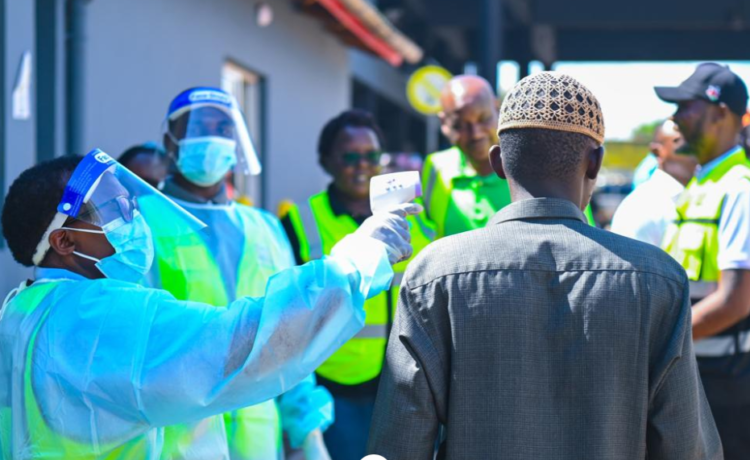
Kenya has increased screening at key entry points, including Nairobi’s main airport and border crossings. These measures are intended to identify travellers who may have symptoms and direct them to appropriate medical assessment.
The outbreak in neighbouring DR Congo presents a particular challenge because people regularly cross borders for work, family visits and trade.
Public health experts have repeatedly stressed that screening at borders is useful but cannot detect every infection. Ebola symptoms may take time to develop, meaning an infected person could initially appear healthy during travel.
Authorities therefore need screening, contact tracing, laboratory testing and cooperation with neighbouring countries to work together.
Implications for regional public health
The case also highlights the importance of communication between African countries during disease outbreaks. Travellers may pass through several countries before reaching their final destinations, making cross-border information sharing essential.
Ebola is a serious viral disease that can cause severe illness. It spreads through direct contact with the blood or bodily fluids of an infected person or someone who has died from the disease. It does not spread through ordinary casual contact in the same way as airborne respiratory infections.
The public should follow official health advice, avoid contact with bodily fluids from suspected cases and seek medical guidance if they believe they have been exposed.
Authorities have reported no evidence of wider community transmission linked to the two Kenyan cases at the time of the latest announcement. That is encouraging, but it does not mean the risk has disappeared.
Conclusion
Kenya’s response will depend on rapid detection, transparent public communication and effective cooperation between health agencies. The second case demonstrates why quarantine and contact tracing are essential, while the coming days will be important for determining whether the infection remains contained.