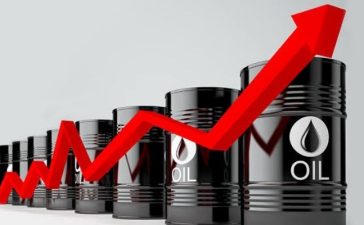
Oil prices rose on Friday and were heading for their steepest weekly gains since mid-July.
The increase followed renewed hostilities between the United States and Iran, which heightened concerns about possible disruptions to oil supplies in the Middle East.
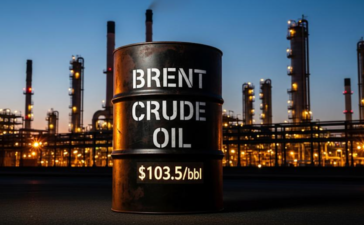
Brent crude futures rose 54 cents, or 0.6 per cent, to $96.06 a barrel by 0100 GMT.
US West Texas Intermediate crude futures also gained 80 cents, or 0.9 per cent, to $92.10.
Brent and WTI Head for Strong Weekly Gains
On a weekly basis, Brent crude was up 7.6 per cent.
WTI had risen 10.4 per cent.
Both benchmarks were therefore on course for their strongest weekly performance since the week ended July 20.
The gains reflect growing concern that the conflict could affect oil production, exports and shipping routes.
Renewed Hostilities Raise Supply Concerns
The latest price increases followed a fresh escalation in the conflict between the United States and Iran.
US attacks during the week reportedly killed and wounded dozens of people, including Iranian civilians.
The clashes were described as the fiercest between the two countries since July.
The conflict, which began with US-Israeli strikes in late February, has now entered its seventh month.
Energy Infrastructure at Risk
Israeli Defence Minister Israel Katz renewed warnings that Israel would target Iranian military and civilian infrastructure.
Energy facilities were included among the infrastructure mentioned in the warnings.
The statements have increased concerns that the conflict could affect oil production and other energy assets in the region.
Any disruption to supply could place additional pressure on global oil prices.
Analysts Raise Brent Forecast
ANZ analysts raised their short-term Brent crude forecast to $95 a barrel.
They also warned that prices could rise further if the conflict intensifies.
The analysts said the market was entering a delicate adjustment phase.
They noted that elevated inventories had helped absorb the initial supply shock.
However, they warned that the market could face greater pressure as those inventory buffers diminish.
Strait of Hormuz Remains a Concern
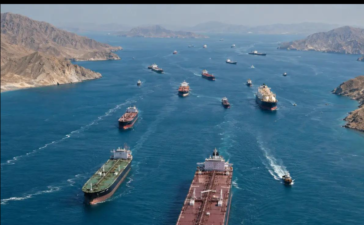
The Strait of Hormuz remains a major focus for the oil market.
The waterway is important to global energy shipments, making any disruption a significant concern for traders.
US Vice President JD Vance said on Thursday that Washington did not plan to hold talks with Iran unless Tehran stopped attacking commercial shipping in the Strait of Hormuz.
The statement added to uncertainty over the outlook for oil supplies.
Implications for the Global Economy
Higher oil prices could increase revenue for oil-producing countries, including Nigeria.
However, they could also raise fuel, transportation and production costs globally.
For consumers, prolonged increases in crude prices may contribute to higher energy and living costs.
For businesses, higher energy prices could increase operating expenses and affect profit margins.
Outlook for Oil Prices
Oil traders are expected to continue monitoring the conflict and its impact on shipping activity.
They will also watch for any signs of disruption to energy infrastructure.
If tensions ease, prices could come under pressure.
However, further escalation could lead to additional gains and greater volatility in the oil market.