Nigeria’s foreign exchange market remains an important focus for investors and businesses as the country seeks to strengthen its external financial position and maintain stability in the value of the naira.
Recent reports indicate that Nigeria’s foreign exchange reserves climbed to approximately $58.81 billion on October 12, 2026, their highest level since November 2008. Net foreign reserves were also reported at about $46 billion.
The increase offers a positive sign for the country’s external position. Foreign reserves provide a financial buffer that can help a country meet international obligations, support confidence in its currency and manage periods of pressure in the foreign exchange market.
However, stronger reserves do not necessarily mean that the naira will appreciate immediately. Exchange rates also depend on demand for foreign currency, export earnings, capital flows, investor confidence and the broader economic environment.
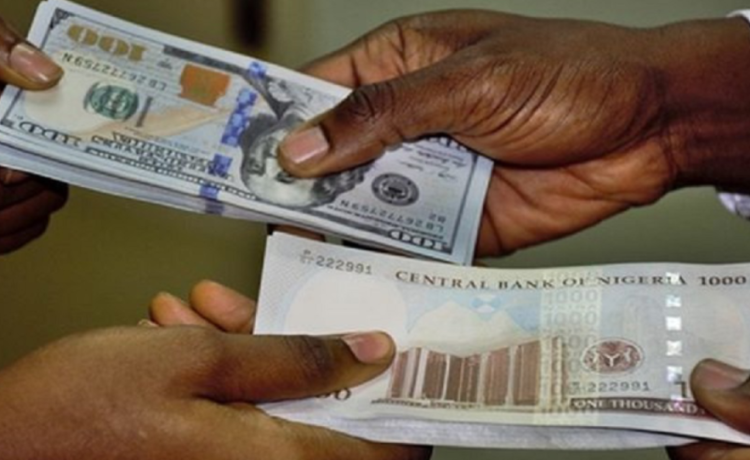
Nairametrics reported that the naira weakened to ₦1,335.50 per dollar at the close of trading on October 13. The movement followed several sessions in which the currency traded around the ₦1,330 to ₦1,334 range.
The exchange rate illustrates the difference between improving external reserves and the day-to-day balance of supply and demand in the currency market.
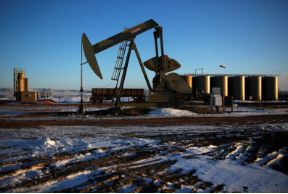
Nigeria’s economy has historically relied heavily on crude oil exports for foreign exchange earnings. When oil production falls or international prices decline, dollar inflows can weaken, placing pressure on the currency.
The Central Bank of Nigeria has also highlighted the need to diversify foreign exchange sources beyond oil. Stronger non-oil exports, investment inflows, remittances and other sustainable sources of foreign currency can help reduce the economy’s vulnerability to changes in the oil market.
The IMF has projected Nigerian economic growth of 4.2 per cent in 2026 and 4.3 per cent in 2027, according to recent reporting. These forecasts provide a positive backdrop, although actual performance will depend on domestic reforms and international conditions.
For businesses, exchange-rate stability is important for planning and budgeting. Importers need foreign currency to purchase equipment, raw materials and finished goods, while manufacturers must account for changes in the cost of imported inputs.
Currency movements can also influence the prices of food, transport, electronics and other products that depend on international supply chains.
Consumers may therefore feel the effects of foreign exchange developments even when they do not directly buy dollars.
Maintaining stronger reserves is one part of the solution. Nigeria also needs consistent economic policies, improved domestic production, stronger export capacity and greater investor confidence.
The coming months will show whether reserve growth can be sustained and whether improved dollar availability will translate into more stable foreign exchange conditions.