The International Monetary Fund has expressed support for the Central Bank of Nigeria’s recent monetary policy adjustment, describing the decision as appropriate following improvements in the country’s inflation outlook.
The endorsement comes as Nigeria continues efforts to strengthen economic stability, improve foreign exchange liquidity and encourage sustainable economic growth.
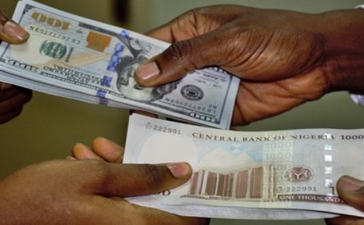
According to a report published by THISDAY on Friday, October 16, Central Bank of Nigeria Governor Olayemi Cardoso explained that the country’s previous foreign exchange difficulties made it necessary to explore additional sources of foreign currency beyond crude oil exports.
Nigeria has historically depended heavily on oil revenues for foreign exchange earnings. However, fluctuations in international oil prices, production challenges and strong demand for dollars have periodically placed pressure on the naira.
The foreign exchange difficulties previously contributed to a decline in net foreign reserves and the accumulation of outstanding foreign exchange obligations. These conditions encouraged the government and monetary authorities to pursue policies intended to strengthen external reserves and improve market confidence.
At its September 2026 Monetary Policy Committee meeting, the CBN reduced the Monetary Policy Rate by 350 basis points, from 26.5 per cent to 23 per cent.
The reduction represented a significant adjustment to borrowing costs after a period of tight monetary policy. The central bank’s decision was influenced by improvements in key economic indicators and efforts to address weaknesses in the transmission of monetary policy.
The IMF supported the adjustment but stressed that Nigeria’s overall monetary policy stance remained tight. Its position indicates that a reduction in the benchmark interest rate should not automatically be interpreted as a move towards unrestricted monetary easing.
Interest rates influence the cost of borrowing for households and businesses. Lower rates can make loans more affordable, potentially encouraging investment, production and consumption. However, if rates fall too quickly while inflationary pressures remain strong, demand could increase faster than the economy’s ability to supply goods and services.
The IMF has therefore emphasised the need for monetary authorities to remain guided by economic data and inflation trends.
Nigeria’s economic outlook has also received support from improved external conditions, including stronger oil prices and increased foreign exchange receipts. These developments can help the country build reserves and improve liquidity.
The IMF projected that Nigeria’s economy would grow by 4.2 per cent in 2026 and 4.3 per cent in 2027, according to the report.
Nevertheless, economic growth alone will not resolve all of Nigeria’s difficulties. Businesses continue to require reliable electricity, accessible financing, predictable regulations and improved transport infrastructure.
The IMF has encouraged Nigeria to strengthen non-oil revenue collection to provide funding for education, healthcare, infrastructure and other essential services.
The CBN’s policy adjustment therefore represents one part of a broader economic strategy. Its long-term success will depend on whether lower inflation, stronger reserves and improved investor confidence translate into greater production, employment and purchasing power for Nigerians.