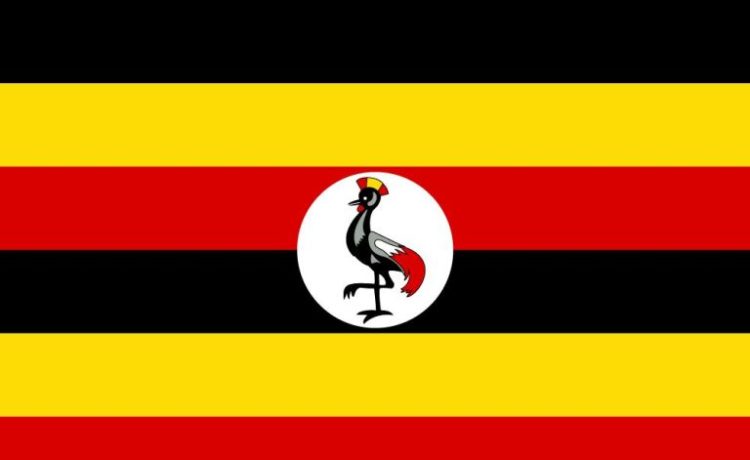
The International Monetary Fund (IMF) will send a staff team to Uganda in September to continue negotiations on a possible new financial support programme for the East African country.
The IMF’s resident representative in Uganda, Sébastien Walker, confirmed the planned mission to Reuters on Monday, August 17, 2026, saying further progress is needed before an agreement can be reached.
Uganda’s previous IMF-supported programme expired in 2024. The government subsequently requested a new programme, but negotiations have yet to produce a final agreement.
Further Negotiations Planned
Walker said discussions between Uganda and the Fund had been constructive but that additional progress was necessary.
The September mission will therefore focus on advancing negotiations and addressing outstanding issues that must be resolved before a new programme can be finalised.
Uganda’s Ministry of Finance has previously identified negotiations for a new Extended Credit Facility (ECF) programme with the IMF as one of its priorities.
Economy Continues to Grow
The planned IMF discussions come as Uganda’s economy continues to record relatively strong growth.
The IMF currently projects Uganda’s real GDP growth at 7.5% in 2026, while consumer-price inflation is projected at 4.0%.
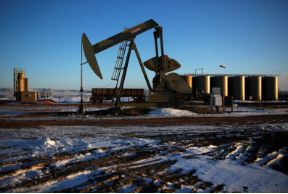
One of the major factors supporting the country’s economic outlook is the anticipated beginning of crude oil production, which could generate new government revenues, foreign-exchange earnings and investment opportunities.
However, stronger growth does not eliminate Uganda’s fiscal challenges.
Debt-Service Burden Remains a Concern
The IMF has warned that Uganda faces a significant debt-service burden and a weakening fiscal position.
The Fund’s recent assessment highlighted risks surrounding Uganda’s ability to maintain fiscal sustainability while continuing to finance development priorities.
The country’s outstanding obligations to the IMF also remain substantial. An IMF assessment published in 2025 noted that Uganda had about $1.3 billion in outstanding IMF credit at the end of financial year 2024/25.
Oil Production Could Change the Outlook
Uganda is preparing for the expected start of commercial crude oil production, a development that could significantly transform the country’s economy.
The government expects oil production to generate additional revenues and support economic activity.
However, the IMF’s involvement reflects the need to ensure that new oil revenues are managed carefully and that Uganda maintains sustainable public finances.
What a New IMF Programme Could Mean
A new IMF programme could provide Uganda with additional financial support while also strengthening economic-policy coordination and fiscal management.
It could also help improve investor confidence if an agreement demonstrates that the government is committed to maintaining sustainable debt levels and sound macroeconomic policies.
For Kampala, however, negotiations will require balancing fiscal discipline with the need to continue investing in infrastructure, social services and economic development.
The September mission will therefore be closely watched by investors and development partners as Uganda seeks to secure a new partnership with the Fund.