South Africa is facing renewed pressure to address anti-immigrant violence after President Cyril Ramaphosa promised that people responsible for instigating or carrying out attacks against foreign nationals would face the law.
Speaking during a question-and-answer session in Parliament on August 25, 2026, Ramaphosa said the police and security agencies were gathering evidence and following up on reports linked to violence against migrants. He warned that arrests and criminal charges would follow where evidence showed that people had broken the law.
The issue has become a major concern across Africa following months of protests and attacks targeting foreign nationals living in South Africa. Although some demonstrations have been peaceful, others have reportedly turned violent, leaving migrants fearful and forcing many to return to their home countries.
Ramaphosa said the South African government was concerned about actions taken against African nationals and stressed that people responsible for criminal acts would be held accountable. He added that authorities were investigating those believed to be encouraging or leading violent activities.
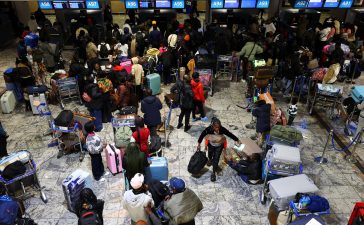
The scale of the migration out of South Africa has become one of the most striking consequences of the crisis. Reports on August 25 said that about 100,000 foreign nationals had left the country since June, including approximately 90,000 who were voluntarily repatriated and about 10,000 who were deported during the period covered by official figures. Malawi and Zimbabwe were among the countries receiving large numbers of returning citizens.
Malawi has been particularly affected. An Inter Press Service report said the Malawian government had completed the repatriation of 56,723 of its citizens who had been caught up in the anti-immigrant violence. Hundreds of buses were reportedly used over several months to bring people home.
The crisis has also created diplomatic concerns between South Africa and other African countries. Earlier in July, Ghana postponed planned bilateral meetings with South Africa, saying the violence against migrants could overshadow the discussions. The situation has also drawn criticism from human rights organisations .
President Ramaphosa also suggested that authorities were not ruling out the possibility that some anti-migrant sentiment was being encouraged by external forces. However, he stressed that investigations were ongoing and that security agencies were examining all available evidence.
Human rights groups have warned that migrants, including documented foreign nationals, refugees and asylum seekers, have sometimes been caught up in the violence. There are concerns that anti-immigrant campaigns can lead to discrimination and attacks against people simply because they are believed to be foreigners.
The issue is particularly sensitive because South Africa has a long history of xenophobic and anti-immigrant violence. Previous outbreaks of violence have affected migrants from countries including Nigeria, Zimbabwe, Malawi, Mozambique, Somalia and other parts of Africa. Human Rights Watch has called on authorities to protect foreign nationals and ensure accountability for those responsible for violence.
The economic impact is also becoming clearer. Migrants play important roles in sectors including informal trade, construction, agriculture and small businesses. Reports have warned that the departure of large numbers of foreign workers and business owners could affect communities and local economies in South Africa.
For now, attention remains on whether South African authorities will make good on their promise to investigate and prosecute those responsible for violence. African governments are also watching closely, especially as thousands of their citizens have returned home because of fear and insecurity.
The crisis has raised wider questions about migration, unemployment, economic inequality and African unity. While South Africa continues to deal with concerns about undocumented migration, human rights groups and neighbouring countries insist that immigration challenges must be addressed through lawful policies rather than violence or intimidation.