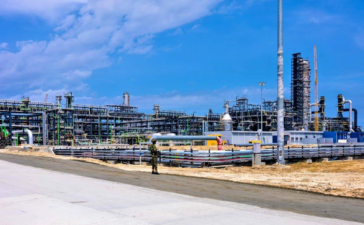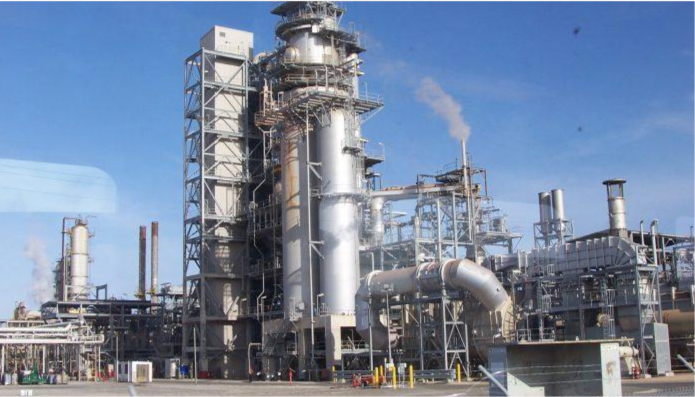
Nigeria’s modular refining sector is expected to expand in 2027, with seven additional refineries projected to commence operations with a combined capacity of 83,000 barrels per day.
The projection was disclosed by George Maher-Bonnett of Argus Media during a presentation at the OTL Africa Downstream conference in Lagos.
His presentation, titled African Energy Outlook, examined developments in Nigeria’s petroleum products market, including the growing importance of local refining capacity and changes in fuel demand.
According to the information presented, Nigeria had four operational modular refineries in September, with a combined capacity of 32,000 barrels per day.
The expected addition of seven facilities would significantly increase the contribution of modular refineries to domestic petroleum processing.
However, the projected capacity remains an industry forecast rather than confirmation that all seven facilities have already commenced construction or received final commissioning approval.
Projected Increase in Domestic Refining Capacity
The seven proposed modular refineries are expected to contribute a combined capacity of 83,000 barrels per day.
If the projects are completed and operate at their projected capacity, they would represent a substantial increase compared with the 32,000 barrels per day recorded across the four modular refineries operating in September.
The presentation did not identify the owners, locations or individual capacities of the seven proposed facilities.
It also did not provide specific commissioning dates for each refinery.
This means the forecast should be understood as an indication of the sector’s expected expansion rather than a confirmed operational timetable.
Modular refineries are generally smaller facilities designed to process crude oil into petroleum products.
They can contribute to domestic fuel supply and create opportunities for investment in the country’s downstream petroleum sector.
Their development is also part of wider efforts to strengthen local refining and reduce reliance on imported petroleum products.
Dangote Refinery’s Growing Influence
The Argus Media presentation also discussed the influence of the Dangote Petroleum Refinery on Nigeria’s petroleum products market.
The refinery, located in Lekki, Lagos, has a nameplate capacity of 700,000 barrels per day.
According to the presentation, the facility was operating at a high rate, with steady petrol output.
The increased availability of locally refined products has implications for the country’s traditional petroleum import arrangements.
Higher domestic production can reduce the need to source certain products from international markets, although actual import requirements depend on production levels, demand and distribution conditions.
The presentation also suggested that the economics of transporting petroleum products from Europe to West Africa had become less attractive.
Freight costs and changing market conditions were identified as factors affecting the competitiveness of international shipping routes.
Changing Fuel Demand in Nigeria
Another issue highlighted during the presentation was the decline in Nigerian fuel demand during the year.
Maher-Bonnett attributed the reduction to higher prices, which have affected the petroleum products market.
The presentation also noted that the only government intervention during the period covered was an NNPC price reduction in that month.
Changes in fuel prices can influence consumer behaviour, transportation costs and the volume of petroleum products purchased by households and businesses.
For Nigerian consumers, higher fuel prices have implications for transport fares, logistics, production costs and the general cost of living.
The changing demand pattern therefore remains an important consideration for refiners and petroleum marketers.
Potential Benefits of Additional Refineries
The projected expansion of modular refining capacity could provide several opportunities for Nigeria’s downstream industry.
Additional refining facilities could increase domestic processing capacity, support local employment and create business opportunities for suppliers and service providers.
They may also strengthen competition within the petroleum products market.
However, the success of the projects will depend on several factors, including access to crude oil, financing, infrastructure, regulatory approvals and reliable distribution networks.
Refineries must also operate efficiently to compete with imported products and larger domestic facilities.
The availability of crude oil at competitive prices will remain particularly important.
Nigeria’s Energy Transition in the Downstream Sector
Nigeria’s refining industry is undergoing significant changes as domestic production expands and traditional import patterns adjust.
The emergence of new modular refineries alongside the operations of larger facilities could reshape the country’s downstream petroleum market.
Nevertheless, increased refining capacity alone does not automatically guarantee lower fuel prices.
Production costs, crude supply arrangements, logistics, foreign exchange conditions and market competition will continue to influence prices.
The seven proposed modular refineries therefore represent an important industry projection, but their actual contribution will depend on successful completion and sustainable operations.
As Nigeria continues to pursue greater domestic refining capacity, attention will remain on whether the projected facilities can move from plans to commercial production in 2027.