A Federal High Court sitting in Abuja has nullified the emergence of Imo State Governor Hope Uzodimma as the All Progressives Congress candidate for the Imo West Senatorial District election scheduled for January 16, 2027.
The judgment was delivered on Thursday, October 29, by Justice Obiora Egwuatu following a legal challenge involving the APC’s senatorial primary conducted in the district.
The court ruled that former Imo State governor and senator, Rochas Okorocha, was the valid winner of the primary election and should be recognised as the party’s candidate.
The decision represents a significant development in the political contest over the APC’s nomination for the Imo West senatorial seat.
According to the Vanguard report, the court held that the evidence presented before it established that Uzodimma was not the valid winner of the primary conducted on May 18, 2026.
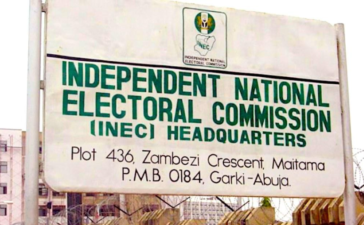
The primary was monitored by the Independent National Electoral Commission.
Court Recognises Okorocha as Primary Winner
In its judgment, the court determined that Okorocha secured the highest number of valid votes cast during the party’s senatorial primary.
Consequently, the judge ordered INEC to recognise the former governor and publish his name as the authentic APC candidate for the senatorial election.
The ruling also restrained Uzodimma from presenting himself as the party’s candidate for the election.
The judgment places the legal recognition of the APC’s Imo West nomination at the centre of the political dispute.
The case is particularly significant because both politicians have held influential positions in Imo State politics.
Okorocha previously served as governor of the state and represented Imo West in the Senate.
Uzodimma is the incumbent governor and had emerged as the APC’s preferred candidate following the party’s internal primary process.
The court’s intervention therefore creates an important legal and political challenge for the ruling party in the state.
Background to the Dispute
The disagreement followed the APC senatorial primary held on May 18, 2026.
The primary was intended to determine the party’s candidate for the Imo West senatorial election.
However, Okorocha challenged the outcome, arguing that the result did not reflect the lawful outcome of the primary.
The dispute eventually proceeded to the Federal High Court in Abuja.
Following consideration of the evidence, the court ruled that Okorocha had secured the highest number of votes and should therefore receive the party’s nomination.
The decision also raises questions about the internal processes political parties use to select candidates for general elections.
Party primaries are important because they determine which aspirants receive the official backing of their political organisations.
When disagreements arise over the conduct or outcome of these exercises, affected aspirants can approach the courts for legal interpretation and intervention.
Implications for the APC
The judgment presents a major challenge for the APC’s preparations in Imo West.
The party must now consider the legal consequences of the ruling and determine the appropriate steps to take.
The decision also has implications for the Independent National Electoral Commission, which is responsible for receiving and publishing the names of candidates submitted by political parties.
The court specifically directed the commission to recognise Okorocha and publish his name as the party’s candidate.
For the APC, the dispute could create uncertainty among members and supporters as the senatorial election approaches.
The party will need to address the situation through its legal and administrative processes.
A Developing Political Dispute
The ruling should be viewed within the wider context of Nigeria’s preparations for the 2027 general elections.
Candidate selection disputes have the potential to affect party unity, campaign planning and voter confidence.
The situation in Imo West demonstrates the importance of ensuring that political primaries are conducted in accordance with party rules and electoral laws.
It also highlights the role of the judiciary in resolving disagreements involving political nominations.
While the court has issued its judgment, subsequent legal steps and compliance with the orders will remain important in determining the final position of the parties.
The development is expected to attract further attention as the APC considers its response and the electoral process moves forward.