At least 30 people have been confirmed dead after a massive landfill collapsed in Conakry, the capital of Guinea, following heavy rainfall overnight.
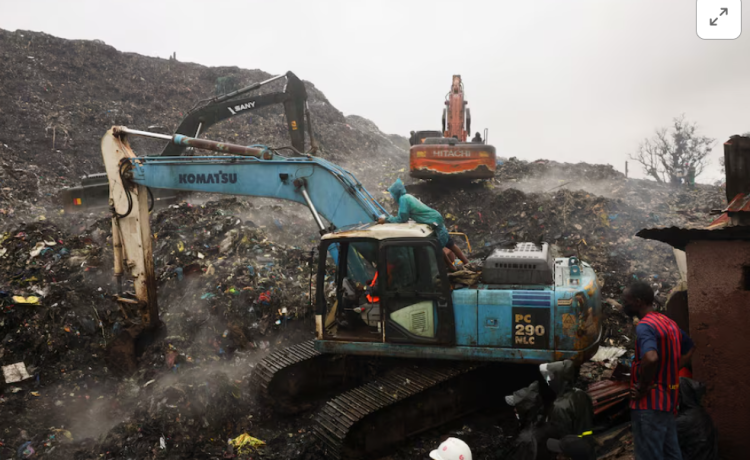
The disaster happened early on Sunday, August 23, 2026, when a huge mound of waste at the Dar Es Salam landfill collapsed and buried nearby homes, tents and makeshift shelters. The site is one of the largest open-air waste dumps in the Guinean capital.
Government officials said the collapse happened at around 2 a.m. in the Gbessia area of Conakry. In addition to the 30 people killed, six people were seriously injured while 16 others suffered less serious injuries.
Rescue teams were deployed to the scene immediately, using excavators and other equipment to clear the huge piles of rubbish and debris. Authorities said the search operation was continuing amid fears that more people could still be trapped beneath the collapsed waste.
The incident has left many families devastated. One woman at the scene said she lost all five of her children in the tragedy, highlighting the human cost of the disaster.
The landfill had already raised serious safety concerns before the disaster. Reports indicated that the site had been scheduled for closure, while residents living nearby had received notices to leave the area. However, some people were still close to the landfill when the collapse occurred.
Prime Minister Amadou Oury Bah visited the scene as emergency workers continued their rescue efforts. The government said resources had been deployed to help victims, recover bodies and provide medical care for those injured.
The tragedy has renewed concerns about waste management, poor infrastructure and the dangers faced by communities living close to large dumping sites, especially during periods of heavy rainfall.
As rescue operations continue, authorities are working to determine whether more people remain buried beneath the enormous mound of waste.