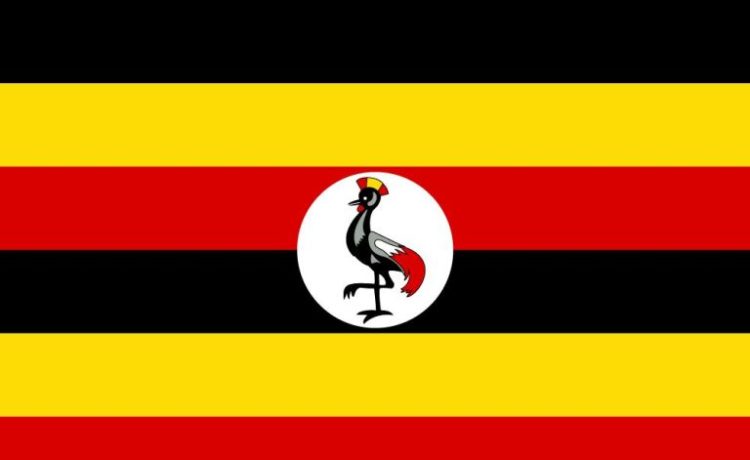
Uganda’s Chief of Defence Forces, Gen. Muhoozi Kainerugaba, has announced that he intends to run for president in 2031, positioning himself as a potential successor to his father, President Yoweri Museveni.
Kainerugaba, 52, made the announcement in posts on X, declaring that he would seek “the highest office in the land” when Uganda holds its next presidential election in 2031.
He expressed strong confidence about his chances, saying he expected to win with the backing of his father. Kainerugaba also suggested that Museveni would play a major role in his campaign and predicted that he could secure as much as 90 per cent of the vote.
The announcement has immediately renewed discussions about Uganda’s political future and the question of who could eventually succeed Museveni, who has been one of Africa’s longest-serving leaders.
Museveni, 81, has ruled Uganda since 1986 and recently won another term in the January 2026 election. His current term is expected to run until 2031, although it remains unclear whether he will seek another term when the time comes.
For years, Kainerugaba has been widely viewed as a possible successor to his father. His growing influence in Uganda has attracted significant attention, particularly after he was appointed Chief of Defence Forces in 2024.
Beyond his military position, Kainerugaba also leads the Patriotic League of Uganda, a political movement that has helped build support around his public and political ambitions. He had previously been linked with a possible presidential campaign ahead of the 2026 election but eventually stepped aside and supported his father’s re-election bid.
His latest declaration, however, puts a clear date on his presidential ambition.
The prospect of the president’s son seeking to succeed him is likely to intensify debate over political succession and democracy in Uganda. Critics and opposition figures have long raised concerns about the concentration of political and military influence around Museveni’s family and inner circle.
Uganda’s opposition has also faced significant pressure in recent years. Prominent opposition figures, including Bobi Wine and Kizza Besigye, have remained central to debates about political freedoms and the future of opposition politics in the country.
While the 2031 election is still five years away, Kainerugaba’s announcement has moved the question of succession to the forefront of Uganda’s political conversation.
For now, the declaration signals that the battle for Uganda’s future leadership may already be beginning.