The Independent National Electoral Commission (INEC) has called for stronger cooperation among government institutions, security agencies, media organisations, technology companies and civil society groups to protect information integrity ahead of Nigeria’s 2027 general elections.
The commission warned that the increasing use of artificial intelligence and digital platforms to spread misleading information could undermine public confidence in the electoral process if appropriate measures were not introduced.
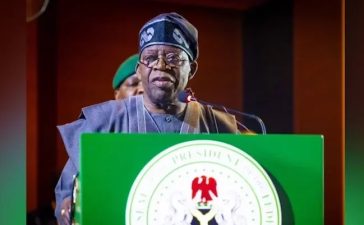
INEC Chairman, Professor Joash Amupitan, raised the concern during the opening of the two-day National Summit on Electoral Information Integrity in Abuja.
The summit was organised by the International Press Centre (IPC), the Centre for Media and Society (CEMESO) and Development Alternatives Incorporated (DAI), under the European Union Support to Democratic Governance in Nigeria programme.
The event focused on the theme, Beyond the Ballot: National Summit on Electoral Information Integrity: AI, Foreign Information Manipulation and Interference (FIMI), and the Integrity of Nigeria’s 2027 Election.
Amupitan explained that electoral threats had expanded beyond physical interference and conventional malpractice to include the manipulation of information through artificial intelligence and digital communication platforms.
He identified deepfakes, cloned voices, fabricated images and coordinated online campaigns as emerging threats capable of misleading voters, damaging reputations and creating doubts about legitimate election results.
According to him, protecting the credibility of the 2027 elections will require more than securing polling units and protecting electoral materials.
It will also involve protecting the information environment through which Nigerians receive, interpret and share election-related information.
Growing threat of artificial intelligence and misinformation
Artificial intelligence has created new opportunities for communication, information sharing and technological development.
However, its increasing availability has also made it easier for individuals and organised groups to create misleading digital content.
During election periods, manipulated videos, fabricated statements and false announcements can spread quickly through social media platforms.
Such information may falsely suggest that a political candidate has withdrawn from an election, that an electoral official has announced an unofficial result or that a particular political development has occurred when it has not.
Voice-cloning technology can also be used to imitate politicians, electoral officials and other public figures, potentially misleading members of the public.
Amupitan warned that these threats could emerge at different stages of the electoral process, including voter registration, political campaigns, voting, the announcement of results and post-election dispute resolution.
The commission’s concerns reflect the growing importance of digital information in modern elections, particularly as more Nigerians depend on social media and online platforms for political updates.
INEC calls for coordinated action
The INEC chairman emphasised that no single institution could successfully address the growing threat of electoral misinformation.
He therefore called for stronger cooperation among electoral institutions, media organisations, technology companies, security agencies, regulators and civil society groups.
He also highlighted the importance of improving voter education and digital literacy to help citizens identify misleading information before sharing it.
According to him, appropriate technological safeguards and effective mechanisms for detecting and responding to false information would be necessary to protect the electoral process.
The commission believes that improved cooperation among stakeholders could help ensure that misleading content is identified and addressed quickly.
Media organisations will also have an important responsibility in verifying election-related reports before publication or broadcast.
International Press Centre highlights lessons from 2023 elections
The Executive Director of the International Press Centre, Dr Lanre Arogundade, also highlighted the importance of protecting the electoral information environment.
He noted that Nigeria’s 2023 general elections exposed the dangers associated with false claims, social media manipulation and the increasing use of artificial intelligence to distort electoral information.
Arogundade called for a coordinated response involving relevant stakeholders to protect information integrity while respecting fundamental rights.
He advocated the development of a national response protocol and stronger institutional collaboration.
He also identified the proposed Nigeria Electoral Information Integrity Partnership as an important platform for coordinating efforts among stakeholders.
The initiative is expected to encourage cooperation between institutions responsible for electoral administration, media development, public communication and digital technology.
Importance of responsible journalism
The media remains a major source of information during election periods.
Television stations, radio broadcasters, newspapers and online publications help citizens understand political developments, candidates’ positions and electoral procedures.
However, the speed at which information spreads online has increased the pressure on journalists to publish reports quickly.
INEC’s warning highlights the importance of balancing speed with accuracy and verification.
Journalists are expected to confirm information through credible sources, examine the authenticity of digital materials and avoid publishing unverified claims that could mislead the public.
Technology companies also have a role to play in addressing the spread of harmful election-related misinformation on their platforms.
Civil society organisations can contribute through voter education programmes, public awareness campaigns and digital literacy initiatives.
Preparing for the 2027 general elections
Nigeria’s 2027 general elections will require effective coordination among electoral institutions and other stakeholders.
Beyond organising credible voting procedures, the country must also ensure that citizens have access to accurate and reliable information throughout the electoral cycle.
False information can create unnecessary tension, weaken trust in institutions and influence public perceptions of candidates and election results.
For this reason, INEC’s call for cooperation is particularly important as political activities gradually increase ahead of the elections.
The commission’s ability to communicate clearly, respond to misinformation and provide timely clarification will be important in maintaining public confidence.
Ultimately, protecting Nigeria’s electoral integrity will require the combined efforts of government institutions, journalists, technology companies, political parties and ordinary citizens.
As preparations for 2027 continue, the challenge will be to ensure that technology supports democratic participation rather than becoming a tool for manipulating voters and weakening public trust.