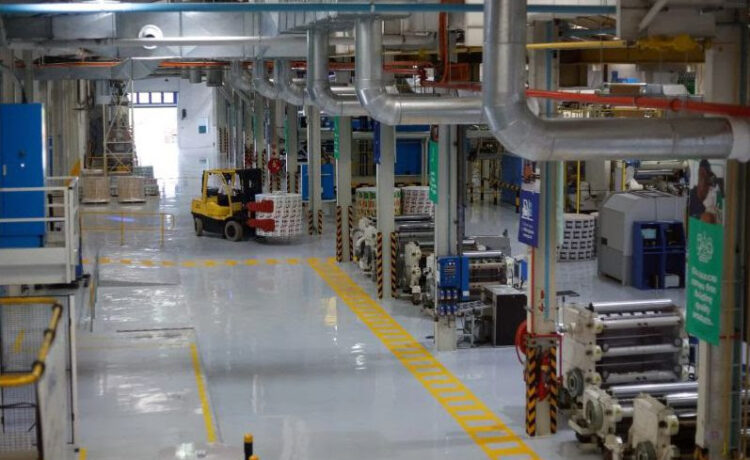
South Africa’s manufacturing sector recorded another modest improvement in October, as factory sentiment strengthened for the second consecutive month. However, the latest figures suggest that the industry is still struggling to return to growth amid weak domestic demand, limited new orders and persistent operational challenges.
The Absa Purchasing Managers’ Index (PMI) increased to 49.6 points in October, from a revised 48.7 points in September. Although the improvement indicates that conditions are becoming less difficult, the index remained below the 50-point mark that separates expansion from contraction.
This means that manufacturing activity was still weakening overall, despite the improvement in the headline reading.
The October result also showed gains across all five components of the PMI, suggesting that some parts of the manufacturing sector experienced better conditions during the month.
Nevertheless, the improvement was not strong enough to confirm a sustained recovery.
Production and New Orders Remain Below the Growth Level
The business activity index, which measures production conditions, increased to 48.6 points in October from 47.7 points in September. The improvement suggests that the pace of weakness in factory production eased, although manufacturers were still reporting difficult operating conditions.
The new sales orders index also improved, reaching 46.8 points. This was its second consecutive monthly increase, but the reading remained below 50, indicating that demand for manufactured goods was still weak.
Export sales showed further improvement, approaching the neutral level. This offers some encouragement for manufacturers that depend on international markets, although stronger export performance has yet to translate into a broad recovery across the sector.
Employment remained one of the weakest parts of the survey. The October report indicated that manufacturers were still cautious about hiring, reflecting uncertainty over whether the improvement in orders and production would continue.
The latest figures therefore point to an uneven recovery, with some indicators improving while important areas of factory operations remain under pressure.
Bureau for Economic Research+2
Rising Costs and Logistics Problems Weigh on Manufacturers
Cost pressures remain another major concern for South African manufacturers.
The purchasing prices index climbed to 73.7 points in October, compared with 71.1 points in September. The increase suggests that businesses faced stronger pressure from the cost of purchasing raw materials, fuel, transport and other production inputs.
Higher fuel prices and weakness in the rand were identified as possible contributors to the increase in purchasing costs.
Logistics challenges are also affecting factory operations. Delays in the movement of goods, particularly through important transport and port infrastructure, can increase operating expenses and make it difficult for manufacturers to receive materials or deliver finished products on time.
Durban Harbour has remained a particular concern because disruptions there can affect supply chains and the movement of goods through one of the country’s major commercial gateways.
These problems can reduce production efficiency, increase delivery costs and make it harder for local manufacturers to compete with businesses in other markets.
Business Day+2
Business Confidence Weakens Despite Better PMI Reading
Although the headline PMI improved, manufacturers became less optimistic about business conditions over the next six months.
The index measuring expectations for future business conditions fell to 51.7 points in October from 55.3 points in September.
The reading remained above 50, meaning that expectations were still marginally positive. However, the decline shows that businesses were less confident about the strength of a future recovery.
Absa attributed the weaker outlook partly to continuing logistics constraints and political uncertainty ahead of South Africa’s municipal elections scheduled for November 4, 2026.
The deterioration in expectations is important because manufacturers make investment, production and recruitment decisions based partly on their outlook for future demand.
When businesses are uncertain about sales and operating costs, they may delay expansion plans, limit recruitment or avoid committing additional resources to production.
The latest survey therefore suggests that manufacturers are not yet convinced that the improvement in October will develop into a sustained recovery.
Bureau for Economic Research+2
What the PMI Figures Mean for South Africa’s Economy
The Absa PMI is compiled by the Bureau for Economic Research (BER) and sponsored by Absa. It measures changes in manufacturing conditions through five components: business activity, new orders, employment, supplier deliveries and inventories.
A reading above 50 indicates expansion, while a reading below 50 signals contraction.
The October increase to 49.6 is therefore encouraging, but it does not mean that the manufacturing sector has returned to growth.
Manufacturing remains an important part of South Africa’s economy because it supports employment, industrial production, exports and other businesses across the supply chain.
A prolonged period of weak factory activity can affect investment decisions, job creation and economic growth. It can also place additional pressure on businesses that depend on local manufacturers for supplies and services.
For the recovery to become sustainable, manufacturers will need stronger customer demand, improved production levels and more predictable operating costs.
Better transport and port operations will also be important in reducing delays and improving the movement of goods.
Stronger Demand Needed for a Lasting Recovery
The October PMI results show that South Africa’s manufacturing sector is moving closer to stabilisation, but significant challenges remain.
The second consecutive monthly improvement provides some encouragement, particularly as all five components of the headline index recorded gains.
However, weak new orders, higher purchasing costs, employment challenges and declining business confidence continue to limit the industry’s recovery.
Absa has stressed that sustained improvements in demand and production, supported by easing cost pressures, will be necessary before the sector can move firmly back into expansion territory.
For now, manufacturers remain cautious as they assess whether the latest improvement can be maintained in the coming months.
The next PMI releases will provide further evidence of whether South Africa’s factories are beginning a genuine recovery or experiencing only a temporary improvement in business conditions.