Maritime Ministry Outlines Balanced Port System
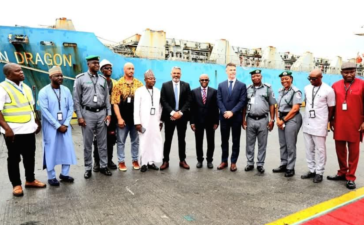
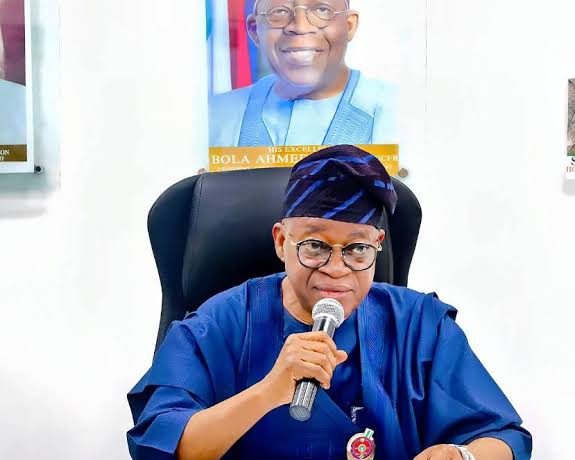
Minister of Marine and Blue Economy Adegboyega Oyetola announced a comprehensive national port development strategy today. Specifically, the minister confirmed that the federal government is upgrading Eastern seaports to complement existing Lagos port operations.
Developing Calabar, Port Harcourt, Onne, and Warri ports will distribute national maritime traffic far more evenly across coastal regions. Consequently, expanding cargo handling capacity at Eastern ports eliminates severe road traffic gridlock around Lagos commercial terminals.
Commercial importers operating across Eastern and Central states can clear maritime cargo closer to their final destination markets. Therefore, regional business associations welcomed the balanced port strategy as a major victory for maritime logistics.
Modernizing Port Dredging and Vessel Infrastructure
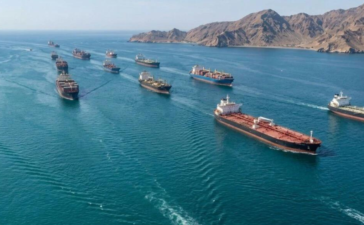
A primary requirement for activating Eastern ports involves executing deep-water dredging along regional shipping channels. Deepening maritime channels allows large, modern ocean container vessels to berth directly at Eastern port terminals without grounding.
Furthermore, state agencies are installing modern quay cranes, digital scanning equipment, and automated terminal operating systems at Onne port. Upgrading cargo handling equipment reduces ship turnaround times and cuts costly maritime demurrage fees for commercial importers.
Additionally, connecting Eastern seaports to national rail lines enables fast freight transit to landlocked inland dry ports. In short, modernizing maritime infrastructure transforms national trade efficiency.
Unlocking the Multi-Billion-Dollar Blue Economy
Developing a balanced national port system forms a central pillar of national efforts to harness the multi-billion-dollar blue economy. Expanding maritime infrastructure attracts foreign direct investment into coastal shipping lines, marine logistics, and vessel repair yards.
Furthermore, efficient maritime trade corridors boost non-oil exports, allowing agricultural and solid mineral producers to ship goods abroad affordably. Generating higher maritime revenues strengthens central bank foreign currency reserves and creates technical maritime jobs for local youth.
Ultimately, strategic maritime investments establish the nation as the primary commercial shipping hub across West Africa. In conclusion, complementary port operations drive sustainable national economic integration.