The Federal Government has called for an urgent overhaul of Nigeria’s agricultural extension system, saying the country cannot achieve long-term food security by simply increasing the amount of land used for farming.
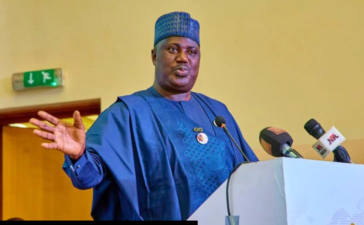
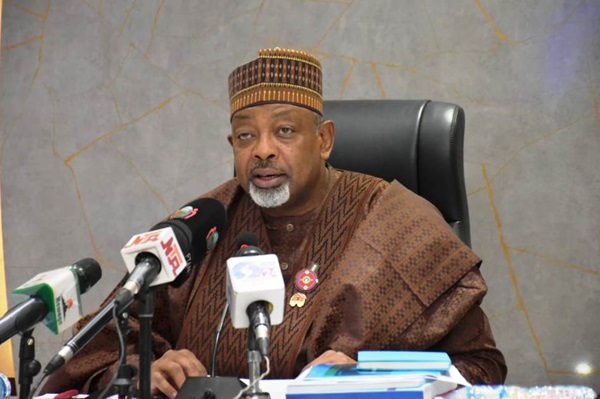
The Minister of Agriculture and Food Security, Senator Abubakar Kyari, made the call at the Africa Agribusiness Extension Summit 2026 in Abuja. He said Nigeria needs to improve productivity by giving farmers better access to knowledge, technology and timely agricultural advice.
Kyari said Nigeria’s growing population would put greater pressure on the country’s food production system. He noted that the population could approach 400 million by 2050, making it necessary to find more productive ways of farming.
According to the minister, expanding farmland alone would not be enough to meet future food demand. Instead, farmers need the right information at the right time to improve their yields and protect their crops.
He described agricultural extension as critical infrastructure, comparing it with roads and electricity networks that need to provide services continuously.
The minister explained that Nigeria’s agricultural extension system had weakened over the years. During the period when the World Bank-supported Agricultural Development Projects were operating at scale, one extension officer served approximately 1,000 to 1,500 farm families.
Today, he said, some extension officers are expected to serve between 5,000 and 10,000 farmers, making it difficult for them to visit farms physically and provide adequate assistance.
To address the challenge, the Federal Government is increasingly turning to digital technology.
Kyari disclosed that more than 100,000 farmers in six states are currently receiving weekly text messages containing information about expected rainfall and measures they can take to protect their crops.
The government is also rolling out a digital agricultural extension platform that will provide advice through text and voice services in Hausa, Igbo, Yoruba and Pidgin.
More than 1,000 digital extension agents have also been equipped with tablets, while 774 agricultural desk officers are being deployed across Nigeria’s local government areas.
The minister said these digital systems could help bridge the gap between farmers and agricultural experts, particularly in rural areas where extension officers cannot reach every farm regularly.
He also called for better coordination among government agencies involved in agricultural extension. A steering committee has been approved to harmonise extension initiatives involving agencies such as the National Agricultural Research and Extension Liaison Services, the National Agricultural Quarantine Service and the Agricultural Research Council of Nigeria, with climate information from the Nigerian Meteorological Agency.
Kyari said farmers should receive clear and consistent information rather than conflicting advice from different government programmes.
The government also wants agricultural extension to become more attractive to young Nigerians. According to the minister, young graduates can build careers in agricultural advisory services by combining scientific knowledge, technology and entrepreneurship without necessarily owning farmland.
He further called for women farmers to receive greater attention from extension programmes because women play important roles in planting, harvesting, processing and marketing agricultural products.
Kyari also encouraged African countries to make greater use of artificial intelligence in agricultural advisory services. However, he stressed that technology should support professional agricultural workers rather than replace them.
He said digital agricultural services could provide farmers with weather information, market updates and advice about crop diseases through simple mobile phones.
The minister also warned that the digital transformation of agriculture must be properly coordinated. Without proper coordination, he said, digital technology could create the same fragmentation that affected traditional extension services.
The summit, organised by Extension Africa, brought together government officials, agribusinesses, researchers, technology companies and development partners to discuss ways of strengthening agricultural advisory services across Africa.
Chief Executive Officer and Co-Founder of Extension Africa, Tajudeen Yahaya, identified people, technology, data and partnerships as important pillars for building sustainable agricultural extension infrastructure.
The Federal Government believes that improving agricultural extension could help farmers increase production, reduce losses and improve household incomes.
For Nigeria, strengthening the system could also support efforts to address food insecurity as the country’s population continues to grow.
The government is therefore pushing for agricultural extension to move beyond short-term projects and become a long-term system that continuously connects farmers with useful knowledge, technology and professional advice.