National Initiative Targets Household Energy Transition
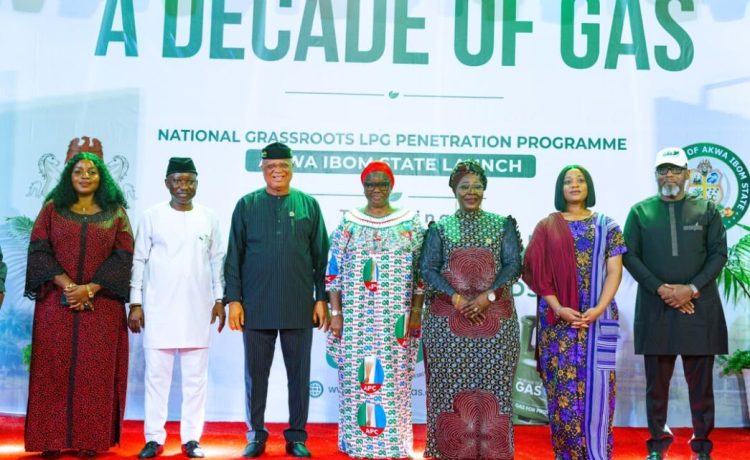
The Federal Government officially unveiled a comprehensive clean cooking energy initiative targeting 10 million Nigerian households today. Specifically, energy ministry officials announced plans to distribute subsidized liquefied petroleum gas cylinders and modern cookstoves nationwide.
The long-term program aims to transition low-income families away from toxic firewood, charcoal, and kerosene cooking fuels. Consequently, public health officials expect the clean energy transition to reduce dangerous indoor air pollution significantly.
Inhaling smoke from traditional biomass cookstoves causes thousands of premature respiratory deaths among women and young children annually. Therefore, environmental and health advocates celebrated the clean cooking initiative as a major public health milestone.
Environmental Conservation and Deforestation Control
Transitioning 10 million households to clean cooking gas protects millions of acres of vulnerable forest land from deforestation. Cutting down trees for commercial charcoal production destroys natural carbon sinks and accelerates soil erosion across northern states.
Furthermore, preserving natural forests protects local agricultural land from desertification and extreme seasonal climate shifts. Expanding clean cooking gas infrastructure aligns directly with national environmental commitments under international climate treaties.
Additionally, expanding domestic LPG distribution networks creates local micro-enterprise opportunities for retail gas distributors. In short, promoting clean cooking gas delivers health, environmental, and economic benefits simultaneously.
Expanding Domestic LPG Production and Retail Logistics
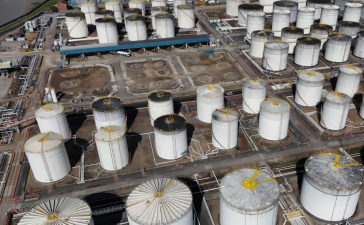
Nigeria possesses massive natural gas reserves that can comfortably supply clean cooking fuel to the entire West African region. Expanding domestic gas processing plants ensures that local LPG supplies remain abundant and affordable for retail consumers.
Furthermore, government agencies are partnering with private marketing companies to construct micro-filling stations across rural local government areas. Establishing local filling stations eliminates long transit distances for rural families purchasing refill gas.
Ultimately, accessible clean cooking infrastructure elevates living standards and empowers low-income households. In conclusion, reaching 10 million homes builds a healthier, more sustainable nation.