The number of confirmed Ebola infections in the Democratic Republic of Congo has surpassed 9,000, highlighting the scale of a public health emergency that continues to challenge health authorities and response teams.
Reuters reported on October 13 that government data showed the number of confirmed cases had crossed the 9,000 mark as responders struggled to slow transmission in several affected areas.
The development raises fresh concerns about the capacity of health services to identify infections quickly, trace contacts and provide treatment to people affected by the disease.
Ebola is a serious viral illness that can cause severe disease and death. It is transmitted through direct contact with the blood or bodily fluids of an infected person who is ill or has died, as well as through contaminated materials. Early identification, infection prevention and appropriate medical care are therefore essential to controlling an outbreak.
The growing number of cases places additional pressure on medical personnel, public health agencies and humanitarian organisations working to limit the spread of the virus.
Challenges facing the response
Controlling an Ebola outbreak requires more than treating patients. Health authorities must identify suspected infections, confirm cases through laboratory testing, trace contacts and ensure that people who may have been exposed receive appropriate monitoring.
Medical facilities also need protective equipment, trained personnel, safe treatment areas and reliable systems for transporting patients.
Reuters reporting indicates that responders have faced difficulties slowing transmission in multiple hotspots. Such circumstances can make it harder to identify every chain of infection and prevent the disease from spreading into additional communities.
Shortages of trained health workers, limited operational support and funding constraints can further weaken the response. Where facilities are understaffed or poorly supplied, patients may struggle to obtain timely care and communities may have less access to reliable health information.
The challenge is particularly serious in areas where people must travel long distances to reach medical facilities or where insecurity interferes with humanitarian operations.
Why early detection matters
Early detection is one of the most important tools in preventing Ebola from spreading.
People who develop symptoms after possible exposure should seek medical assessment promptly and follow guidance from qualified health workers. Symptoms can initially resemble other illnesses, making proper testing and clinical evaluation important.
Health teams must also communicate clearly with communities about how the disease spreads, which symptoms require attention and where people can obtain assistance.
Public information campaigns are most effective when they are delivered in languages people understand and through trusted local channels. Community leaders, health workers and local organisations can help address fears and misinformation that might otherwise discourage people from seeking care.
At the same time, response teams must protect patient confidentiality and treat affected families with dignity. Stigma can make people reluctant to report symptoms or disclose contact with an infected person, potentially complicating efforts to contain transmission.
Protecting health workers and communities
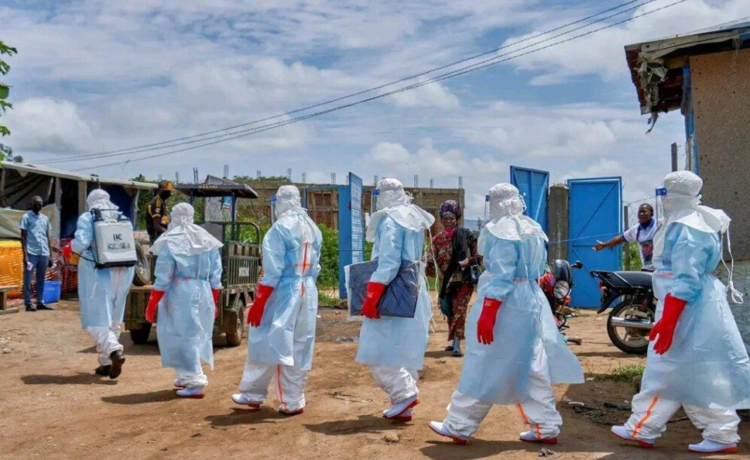
Medical personnel who care for Ebola patients require appropriate protective equipment and training in infection prevention. Safe handling of contaminated materials and careful cleaning of treatment facilities are also essential.
Health authorities must maintain surveillance systems capable of detecting new cases and identifying where infections are occurring. Laboratory services, transportation and communication between hospitals and public health agencies are important parts of this process.
Where deaths occur, safe and dignified burial procedures can reduce the risk of exposure to infectious bodily fluids while respecting the needs of grieving families.
Outbreak control also depends on cooperation between national authorities and international partners. Technical assistance, supplies, funding and trained personnel can help strengthen local response capacity.
However, outside assistance must complement local health systems rather than replace them. Building trust and improving access to routine healthcare can make communities better prepared for future emergencies.
Economic and social consequences
A major outbreak can affect far more than the health sector. Families may lose income when workers become ill, businesses can experience reduced activity and schools or community services may be disrupted in affected areas.
Farmers and traders may find it harder to move goods if travel restrictions or public fears affect transportation and markets. Health workers may also be diverted from other medical services to focus on the outbreak.
These effects can be especially difficult for households with limited savings or access to healthcare.
Authorities must therefore balance necessary infection-control measures with the need to maintain essential services and protect livelihoods.
What comes next?
The increase beyond 9,000 confirmed cases underlines the importance of sustained surveillance, medical support and community engagement. The total number of cases alone does not reveal how quickly the outbreak is spreading, so information about new infections, deaths, recoveries and geographical distribution remains important.
The priority is to interrupt transmission, protect frontline personnel and ensure that affected people receive timely care.
For residents, following official public health advice and seeking medical attention for concerning symptoms after possible exposure are important precautions. For governments and international partners, maintaining resources and coordinating their response will be essential.
The situation remains serious, but effective outbreak control is possible when health services, communities and response organisations work together. The coming weeks will be important in determining whether the response can reduce new infections and prevent the outbreak from spreading further.