Oil prices declined on Tuesday as global markets weighed diplomatic efforts to reduce tensions between the United States and Iran against renewed attacks and threats of further disruption in the Middle East.
Brent crude futures fell 78 cents, or 0.9%, to $88.44 per barrel by 0415 GMT.
US West Texas Intermediate crude also declined, falling 73 cents, or 0.9%, to $82.50 per barrel.
The more active September WTI contract dropped 41 cents, or 0.5%, to $82.07 per barrel.
The movement in oil prices reflected uncertainty over the direction of the geopolitical situation.
On one hand, reports of mediation efforts between Washington and Tehran raised hopes that tensions could ease.
On the other hand, fresh exchanges of attacks and threats of further military action continued to create concerns about the stability of the region.
Analysts at ING said there was some hope of de-escalation between the United States and Iran, noting reports that mediators were proposing a 10-day ceasefire.
The analysts, however, cautioned that achieving a lasting reduction in tensions could prove difficult because significant differences remain between Washington and Tehran.
The situation has kept global energy markets on alert.
The Middle East remains one of the world’s most important oil-producing regions, meaning any escalation of conflict that affects production or transportation routes could have significant consequences for global energy supplies.
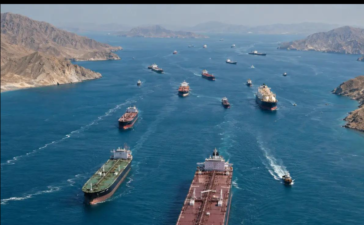
Concerns have also been heightened by threats involving maritime routes and regional infrastructure.
Any disruption to major shipping routes could increase transportation costs and create additional pressure on crude prices.
However, the possibility of diplomatic progress has provided some relief to markets.
If tensions ease and negotiations produce a sustainable agreement, concerns about supply disruptions could decline.
For consumers and businesses around the world, developments in oil markets remain important because crude prices influence the cost of petrol, diesel, aviation fuel and other energy products.
They can also affect inflation, transportation costs and broader economic activity.
For oil-producing countries such as Nigeria, movements in international crude prices have additional implications for government revenue and foreign exchange earnings.
The decline in prices therefore comes amid a broader global market environment in which investors continue to monitor geopolitical developments closely.
Markets are expected to remain sensitive to any new developments involving the United States, Iran and other actors in the region.
For now, diplomatic efforts have helped offset some of the upward pressure created by geopolitical risks, but the possibility of renewed escalation means uncertainty remains high.