Strait of Hormuz Shipping Comes Under Pressure
Shipping activity through the Strait of Hormuz has fallen sharply as heightened security risks continue to influence vessel movements and energy transportation.
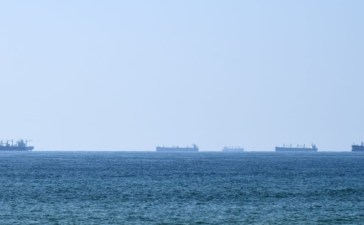
New shipping data shows that fewer than 20 commodity vessels crossed the strategic waterway over the weekend, highlighting the extent to which geopolitical tensions are affecting one of the world’s most important maritime routes.
According to data from ship-tracking company Kpler reported on Monday, only four commodity vessels crossed the strait on Sunday, while 13 vessels made the passage on Saturday.
The figures represent a significant reduction from normal levels of activity.
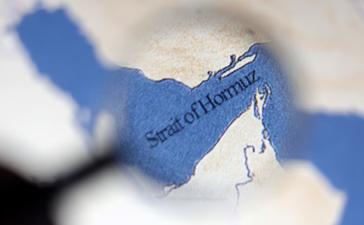
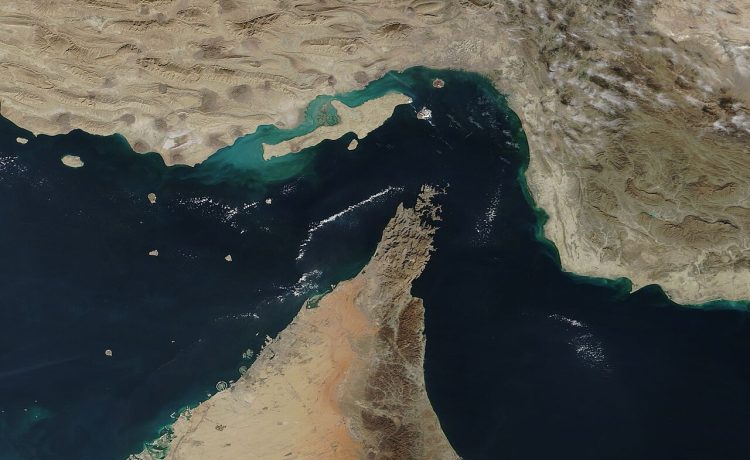
The Strait of Hormuz is critical to global energy markets because it connects the Persian Gulf with the Gulf of Oman and the wider Arabian Sea. Large volumes of crude oil, petroleum products and liquefied natural gas move through the waterway.
Traffic Remains Far Below Normal
The latest figures underline the scale of the disruption.
During the week ending August 21, 89 vessels exited the Strait of Hormuz while 103 entered it. That represents traffic roughly 90 percent below pre-conflict levels, according to the reported Kpler data.
Although vessel tracking systems do not capture every movement, particularly when ships switch off their transponders, the decline is still significant.
Tankers remain the dominant vessel type using the route.
About 45 percent of the tracked traffic consisted of tankers, while more than half of those tankers were carrying crude oil, petroleum products or chemicals.
Liquefied petroleum gas carriers also accounted for a notable share of the tanker traffic.
The sharp reduction has implications beyond the maritime sector.
When vessels avoid a major shipping chokepoint, operators may have to reroute ships, increase voyage distances, arrange additional insurance coverage or delay cargo movements.
All of these factors can increase transportation costs.
Shipping Companies Face Difficult Choices
For shipowners and charterers, the situation creates a difficult balance between commercial commitments and operational security.
A vessel may be commercially scheduled to move cargo through the Strait of Hormuz, but security concerns can force operators to reconsider the voyage.
Longer alternative routes can consume more fuel and require additional days at sea.
They can also affect vessel availability because a ship spending more time on a voyage is unavailable for another cargo.
For oil traders, refiners and importers, such disruptions can create uncertainty over delivery schedules.
The consequences can extend to freight rates, insurance premiums and energy prices.
The Bab el-Mandeb Strait is also experiencing fluctuating traffic.
Kpler data showed 24 commodity vessels using the route on Sunday, compared with 32 on Saturday and 22 on Friday.
The Bab el-Mandeb is another strategically important maritime passage because it links the Red Sea with the Gulf of Aden.
Global Trade Faces Continued Maritime Risk
The latest development demonstrates how quickly geopolitical tensions can reshape shipping patterns.
Maritime trade depends heavily on a relatively small number of strategic waterways.
When traffic through one of these routes declines, shipping companies have to redesign schedules and risk-management strategies.
For countries dependent on imported energy, the consequences can be particularly significant.
The Strait of Hormuz therefore remains more than a regional maritime issue.
Its disruption has the potential to influence global freight markets, energy supply chains and commodity prices.
For the shipping industry, the priority remains clear: maintain cargo flows while protecting vessels and crews.
As security conditions evolve, shipping companies are expected to continue monitoring the Strait closely before committing vessels to the route.
The current decline in traffic shows that maritime operators are already taking the security situation seriously.