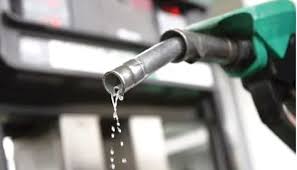
South Africa has announced a sharp increase in petrol and diesel prices, with the new rates scheduled to take effect on Wednesday, October 7, 2026. The increase follows a rise in international oil prices linked to the ongoing conflict involving Iran and disruptions affecting global energy markets.
According to the country’s Department of Mineral and Petroleum Resources, petrol prices will rise by more than three rand per litre, while diesel prices will also record significant increases. The adjustment is expected to affect transportation costs, household spending and businesses that depend heavily on fuel.
Under the new pricing structure, the price of 95-octane petrol will increase by 3.33 rand per litre, while 93-octane petrol will rise by 3.12 rand per litre. Diesel prices will increase by between 2.84 and 3.24 rand per litre, depending on the grade.
The government explained that the increases were largely driven by higher international crude oil prices and rising costs of imported petroleum products. South Africa depends significantly on imported crude oil and refined fuel, making its domestic prices vulnerable to developments in the international energy market.
International oil prices rose during the review period as tensions in the Middle East heightened concerns about the security of oil supplies and shipping routes. The situation has increased the cost of petroleum products and contributed to uncertainty across global energy markets.
The impact is expected to be particularly significant for transport operators, logistics companies, manufacturers and small businesses. Higher fuel costs can increase the expenses associated with moving goods and providing services, potentially forcing businesses to raise prices or absorb additional costs.
Consumers may also face increased living expenses as transport operators adjust fares and retailers respond to higher distribution costs. Low- and middle-income households are particularly vulnerable because a larger share of their income often goes towards essential goods and transportation.
The price adjustment also reflects South Africa’s fuel price mechanism, which considers international petroleum prices, shipping costs, exchange-rate movements and other domestic factors. Although the rand’s performance against the United States dollar provided some relief, it was insufficient to offset the increase in global fuel costs.
The development highlights the challenges facing African economies that depend on imported petroleum products. Even countries with substantial natural resources can experience higher domestic energy costs when international supply conditions deteriorate.
South Africa’s latest fuel increase could also place additional pressure on inflation, as rising transport and production expenses can gradually affect the prices of food and other essential goods.
The government has published the new fuel pricing schedule as motorists and businesses prepare for the changes. Analysts will be watching how the increase affects consumer spending, transportation activity and inflation in the coming weeks.