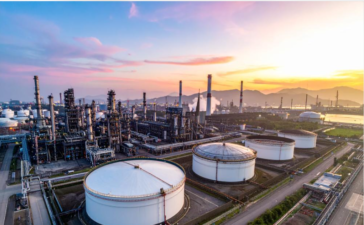
The Group of Seven (G7) has agreed to release about 100 million barrels of crude oil and diesel from emergency reserves as governments attempt to ease pressure on global energy markets.
The agreement was reached last week following a sharp rise in oil and diesel prices linked to disruptions in the Middle East and the wider global energy market. The release is expected to take place over about four months, with a significant amount of diesel scheduled to enter the market during the first 20 days.
However, important details of the plan have yet to be finalised. The International Energy Agency (IEA) is expected to discuss the precise volumes, participating countries and locations for the release at a meeting scheduled for October 14–15.
The uncertainty has created some confusion among traders and governments because the G7 announcement did not provide a detailed breakdown of how much crude oil, diesel and other refined products each country would release.
Oil prices have remained around the $100-per-barrel level despite the planned release. On Tuesday, Brent crude settled at about $100.58 per barrel, while US West Texas Intermediate crude settled at approximately $89.44 per barrel.
The market is being supported by increased oil shipments from the Middle East. Vitol Chief Executive Russell Hardy said about 12 million barrels per day of crude oil and two million barrels per day of refined products had left the region on tankers over the previous seven to 10 days.
Those supplies have helped prevent an even sharper rise in global oil prices. Hardy warned, however, that continued disruptions could put additional pressure on the market, particularly because inventories in Western countries have already been significantly reduced.
Diesel remains a particular concern. The disruption to refining capacity in the Middle East and damage to Russian energy infrastructure have reduced the availability of refined petroleum products.
The G7 therefore wants to release diesel reserves quickly while also encouraging countries with significant refining capacity to increase production.
The emergency release is expected to provide some short-term relief to consumers and businesses facing higher fuel costs. However, analysts have warned that releasing strategic reserves does not solve the underlying supply problems. If geopolitical disruptions continue for a long period, governments could eventually face the challenge of replenishing their depleted reserves.
The energy crisis has significant implications for the global economy. Higher fuel prices can increase transportation and production costs, pushing up the prices of food and other goods and adding pressure on inflation.
For oil-importing countries, including many African nations, prolonged high crude and diesel prices could increase import bills and put additional pressure on foreign-exchange reserves.
The G7 has also pledged to avoid imposing energy export restrictions among its members, arguing that restrictions could worsen shortages and increase market volatility. The group has called for the restoration of normal navigation through the Strait of Hormuz, a critical route for global energy shipments.
The coming weeks will therefore be closely watched by energy traders and governments as the IEA determines how the 100-million-barrel release will be implemented.