Zambia is set to sign a $3.6 billion, five-year health agreement with the United States after both countries resolved disagreements over the sharing of patient medical data and biological specimens.
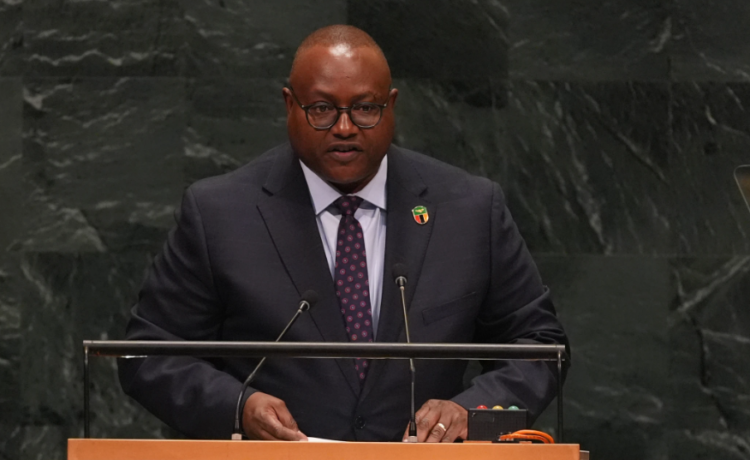
Zambian Health Minister Roma Chilengi announced on Tuesday that the agreement would be signed on Thursday. The deal combines funding from Zambia and the United States, with Washington expected to contribute $1.5 billion, while Zambia will provide about $2.1 billion over the five-year period.
The agreement is expected to support Zambia’s healthcare system, including programmes dealing with HIV/AIDS, malaria and other public health challenges. The United States has traditionally been one of Zambia’s major international health partners.
However, negotiations over the agreement had stalled earlier this year because of concerns about provisions relating to health data and medical specimens.
Zambia had objected to requirements that could have given the United States access to broad medical information and biological samples from patients. The Zambian government was also concerned about issues surrounding data privacy and sovereignty.
According to Chilengi, the revised agreement no longer contains a provision requiring Zambia to provide patient medical specimens to the United States when requested. He also said concerns over individual patient data had been addressed.
The minister explained that data-sharing under the final agreement would be limited to information needed to monitor and evaluate programmes funded by the United States.
“There is no mention of critical minerals” in the health agreement, Chilengi also said when asked whether the US funding was connected to Zambia’s mineral resources.
The issue of critical minerals had become another point of concern during the negotiations because Zambia is one of Africa’s major copper producers and has significant mineral resources that are strategically important to the global energy transition.
The revised agreement comes as the United States changes the way it provides health assistance to African countries. Washington has been pursuing bilateral health agreements that require African governments to gradually take greater responsibility for financing their own healthcare systems.
Several African countries have already signed similar agreements with the United States, including Kenya, Tanzania and Uganda. However, some countries have rejected or challenged provisions relating to health data.
Zimbabwe rejected a proposed US health agreement earlier this year, citing concerns over sovereignty and data-sharing requirements. Ghana has also raised objections to similar provisions, while Namibia has pushed back against aspects of its proposed arrangement.
Supporters of the US agreements argue that access to health information can help governments and researchers monitor infectious diseases, respond to outbreaks and develop new treatments.
Critics, however, have questioned whether African countries providing health information and biological materials would receive fair access to medicines and medical technologies developed from those resources.
Zambia’s revised agreement therefore represents an attempt to maintain important American health funding while addressing concerns about the protection of citizens’ medical information.
The deal is also significant because it comes at a time when many African countries are facing pressure to increase domestic spending on healthcare as traditional international development assistance changes.
For Zambia, the government hopes the five-year partnership will strengthen its health system, improve public health programmes and reduce its dependence on external assistance in the long term.