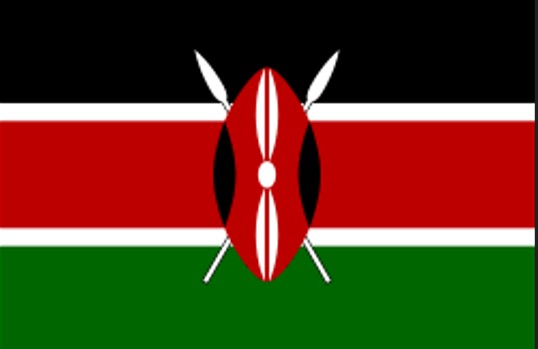
Kenya has confirmed its first-ever Ebola case and death after a Kenyan citizen who had been living in the Democratic Republic of Congo (DRC) tested positive for the virus and died in Nairobi. The announcement was made by Kenya’s Health Cabinet Secretary, Aden Duale, on Tuesday, October 6, 2026.
The patient had reportedly lived in the DRC for about seven years and became ill approximately one month before travelling to Kenya. He first travelled by road from the DRC to Kampala, Uganda, before boarding a flight to Nairobi on October 3. He was taken to a hospital after arriving in the Kenyan capital, where he was isolated and tested for Ebola.
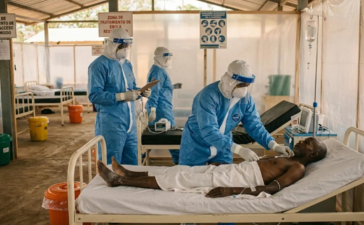
Kenyan authorities said the patient tested positive for the Bundibugyo strain of Ebola, a strain involved in the current outbreak in the DRC. Despite receiving supportive treatment, he died late Monday while receiving care at a Nairobi hospital.
Following the confirmation, Kenyan health authorities immediately began efforts to identify people who may have had contact with the deceased.
According to the Ministry of Health, 28 contacts, including members of the patient’s family and healthcare workers who treated him, have been identified and are being monitored. Authorities are also tracing 23 passengers and four crew members who were on the same flight from Uganda to Nairobi.
People considered to have been exposed are expected to undergo monitoring and, where necessary, a 21-day isolation period. Health officials said this is part of measures designed to detect possible infections early and prevent further transmission.
Kenya has also increased surveillance at its border points and health facilities. The country had already been on heightened alert since the Ebola outbreak began in the DRC earlier this year.
The Ministry said it had screened more than 652,000 travellers as of October 6 and tested 267 samples in five laboratories before the latest case was detected. Only one sample has so far tested positive.
The Democratic Republic of Congo is currently experiencing its largest Ebola outbreak, with more than 8,000 confirmed cases and over 4,000 deaths reported. The outbreak has spread across several provinces, creating major challenges for health workers trying to contain the virus.
The World Health Organization and Africa Centres for Disease Control and Prevention are supporting Kenya with testing equipment, protective equipment and technical assistance.
Kenyan authorities have urged citizens not to panic, stressing that systems are in place to detect and contain the disease. The public has also been advised to practise good hygiene, avoid close contact with people showing symptoms and seek medical attention when necessary.
The confirmation is significant because Kenya had never previously recorded an Ebola case. Health authorities are now focused on ensuring that the imported case does not develop into wider community transmission.
The situation is also being closely watched across East Africa because the patient travelled through Uganda before arriving in Kenya. Uganda had earlier reported Ebola cases during the same regional outbreak but was declared Ebola-free in August.
Health officials say early detection, contact tracing, isolation and strict infection-control measures will be critical in preventing the virus from spreading further.