Oil prices extended gains on Tuesday as escalating tensions between the United States and Iran increased concerns that disruption to Middle East energy supplies could persist into 2027.
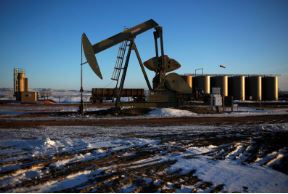
Brent crude futures rose 49 cents, or 0.5 per cent, to $97.49 per barrel by 0400 GMT.
US West Texas Intermediate crude gained $1.44, or 1.6 per cent, to $92.92 per barrel.
The increase followed renewed threats from Iran to retaliate against further US attacks on its assets.
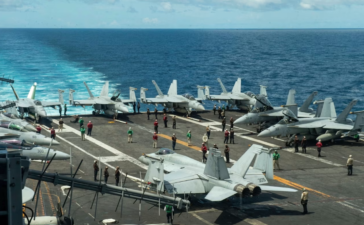
Iran also said it had fired an advanced missile at US warships, highlighting the risk of further escalation after fresh exchanges between the two sides.
Tanker Strikes Raise Supply Risks
US forces struck three Iranian oil tankers on Saturday, including one near Kharg Island, Iran’s main oil export hub, according to US Central Command.
The development has intensified fears that energy infrastructure and commercial shipping could become increasingly exposed if the conflict continues.
Suvro Sarkar, head of energy research at DBS Bank, said the latest escalation had the potential to alter how markets assess oil-price risks not only for the remainder of 2026 but also into 2027.
The Strait of Hormuz remains particularly important because disruption to shipping through the Gulf could restrict the movement of crude from several major oil-producing countries.
Higher Oil Could Fuel Inflation
A sustained rise in crude prices would have consequences far beyond the petroleum industry.
Higher oil prices can increase transport, manufacturing and electricity costs while placing additional pressure on inflation.
That could complicate decisions by major central banks, particularly if policymakers had been preparing to lower interest rates.
For oil-importing economies, higher crude prices can also increase foreign-exchange demand and worsen import bills.
Oil-producing countries may benefit from stronger prices, although those gains depend on the ability to maintain export volumes.
Markets are therefore likely to remain highly sensitive to developments involving Iran, the United States and shipping through the Gulf.
With Brent already approaching $100 per barrel, further military escalation could increase the geopolitical premium embedded in global energy prices.