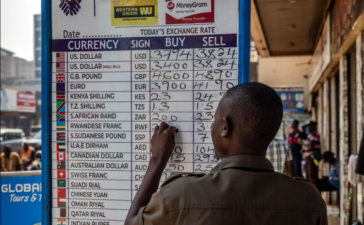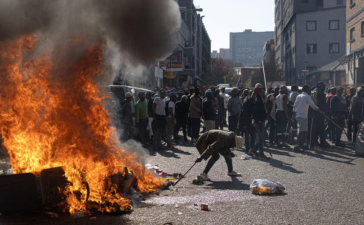
Kenya has begun enforcing a controversial policy targeting foreign nationals operating small-scale businesses, including street hawking and small retail shops.
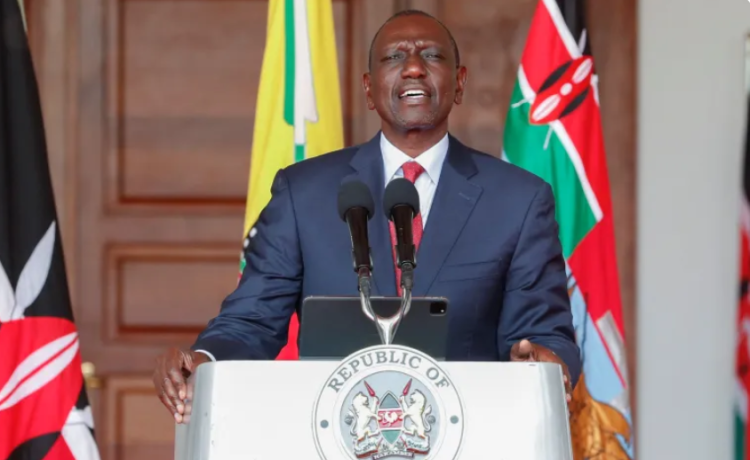
President William Ruto announced the crackdown on September 2, saying businesses requiring little capital should primarily be opportunities for Kenyan citizens. The directive was scheduled to take effect on Monday, September 7, 2026.
Speaking to micro, small and medium-sized enterprise traders at State House in Nairobi, Ruto argued that Kenya welcomes foreign investment but wants foreign investors to establish businesses that create jobs, expand production and contribute more significantly to the economy.
He specifically questioned why foreigners should come to Kenya to work as hawkers or operate very small shops when Kenyan entrepreneurs are already competing for opportunities in those sectors.
Government clarifies the position
The announcement created uncertainty among foreign traders, including nationals from other African countries. Some civil society groups also warned that the policy could fuel xenophobia, harassment and tensions between Kenyan traders and migrant communities.
However, Kenya’s Foreign Affairs Principal Secretary, Korir Sing’Oei, sought to reassure foreign nationals on September 6. He said foreigners who have the required work permits, licences and other legal documentation remain protected under Kenyan law.
He argued that Ruto’s comments had been taken out of context and were connected to discussions around Kenya’s proposed Local Content Bill, 2025.
Kenya’s Investments, Trade and Industry Ministry has similarly clarified that visa-free entry or an exemption from an electronic travel authorisation does not automatically give a foreigner the right to work, trade or operate a business in the country. Such activities still require the appropriate permits and licences.
What happens to Nigerian traders?
The development has attracted particular attention among Nigerians and other Africans living and doing business in Kenya. The exact number of foreign traders who could be affected is not yet clear, and the government has not published a comprehensive list of every business covered by the directive.
The situation therefore remains closely watched as Kenyan authorities begin enforcement. The key issue will be whether the crackdown focuses on foreigners operating without the required permits or extends to legally documented foreign traders in small-scale businesses.