Presidential economic aide Tope Fasua has called for a monetary policy framework better suited to Nigeria’s small and medium-sized enterprise-driven economy, warning that prolonged high interest rates could create additional challenges for businesses and weaken economic growth.
Fasua argued that Nigeria’s monetary policy should take greater account of the structure of the country’s economy, where micro, small and medium-sized enterprises account for a significant share of economic activity and employment.
His comments come amid ongoing discussions about the impact of interest rates on businesses, investment and economic expansion.
High borrowing costs can make it more difficult for businesses to access credit, expand operations, purchase equipment and hire additional workers.
For MSMEs, which often have limited access to affordable financing, elevated interest rates can be particularly challenging.
Many small businesses depend on bank loans and other forms of credit to finance working capital, acquire inventory and manage cash flow.
When the cost of borrowing rises, businesses may be forced to reduce investment or pass additional costs on to consumers.
Fasua’s call for a tailored monetary framework therefore reflects concerns that conventional monetary policy measures may not fully address the realities of Nigeria’s economic structure.
The debate comes as policymakers continue to balance the need to control inflation with the need to support economic growth.
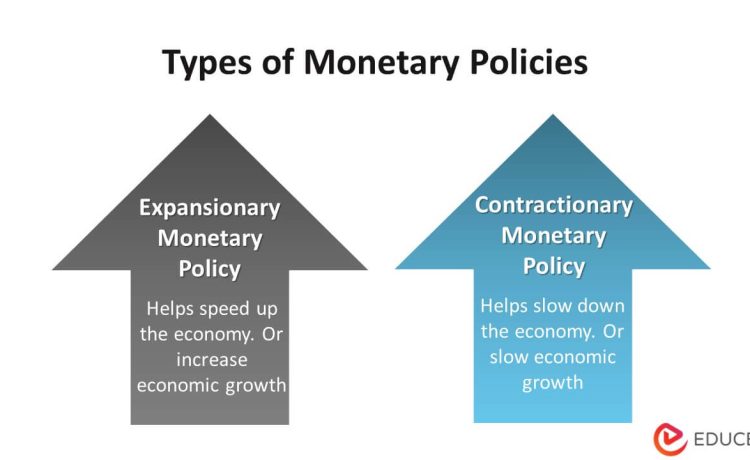
Central banks typically use interest rates as one of their key tools for managing inflation and influencing economic activity.
However, prolonged tight monetary conditions can also affect businesses and investment, particularly when companies face other pressures such as high energy costs, inadequate infrastructure and currency volatility.
Nigeria’s MSME sector plays a critical role in employment and economic activity, making its performance important to the country’s broader development objectives.
Strengthening the sector could help create jobs, increase household incomes and support economic diversification.
However, business owners have repeatedly identified access to affordable finance as one of their major challenges.
Fasua’s proposal highlights the need for policymakers to consider how monetary decisions affect businesses at different levels of the economy.
While measures aimed at controlling inflation remain important, policymakers also face pressure to ensure that businesses have sufficient access to credit to support production and expansion.
A more targeted approach could potentially involve stronger coordination between monetary and fiscal policies, improved access to development finance and measures aimed at reducing the cost of doing business.
Experts have also called for reforms that would make it easier for MSMEs to access formal financial services and attract investment.
The challenge for policymakers is to create an environment where inflation can be controlled without placing excessive pressure on productive businesses.
Fasua’s comments are therefore likely to contribute to the ongoing debate over the direction of Nigeria’s economic policy.
For many business owners, the cost and availability of credit remain critical factors affecting their ability to survive and grow.
As Nigeria continues to pursue economic reforms, the performance of MSMEs will remain an important indicator of whether the country’s economic transformation is reaching businesses and households across the country.
A monetary policy framework that takes the structure of the Nigerian economy into account could, according to advocates of the approach, help create a better balance between price stability and sustainable economic growth.
The debate is expected to continue as policymakers, businesses and financial institutions assess the best strategies for strengthening Nigeria’s economy and supporting the millions of MSMEs that drive economic activity across the country.