The proposed African Atlantic Gas Pipeline has moved closer to implementation following the signing of an Intergovernmental Agreement by Heads of State of the Economic Community of West African States (ECOWAS).
The agreement was signed at the ECOWAS Summit in Freetown, Sierra Leone, providing additional sovereign backing for the ambitious regional energy project.
The development was disclosed by the Nigerian National Petroleum Company Limited through its Chief Corporate Communications Officer, Andy Odeh.
The African Atlantic Gas Pipeline is being jointly promoted by NNPC Limited and Morocco’s Office National des Hydrocarbures et des Mines.
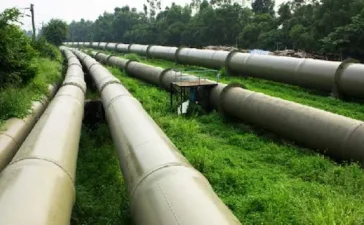
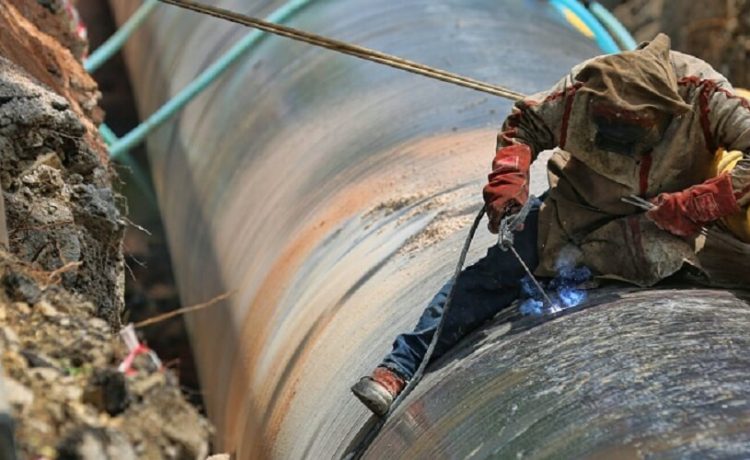
The planned pipeline is expected to stretch approximately 6,900 kilometres along the West African Atlantic coast.
It is designed to transport an estimated 30 billion cubic metres of natural gas annually, connecting gas-producing countries with major demand centres across West Africa, the Sahel and Morocco.
The project is also expected to establish a new energy corridor linking the West African coast with the Maghreb-Europe Gas Pipeline.
This connection could potentially create a route through which African natural gas reaches Morocco and European markets.
The project is therefore viewed as having strategic importance not only for the countries directly involved but also for the wider energy and economic development ambitions of the region.
For Nigeria, which possesses significant natural gas resources, the pipeline could provide an additional opportunity to expand gas exports and strengthen the country’s position in the international energy market.
At the same time, participating African countries could benefit from improved access to reliable gas supplies to support electricity generation, industrial development and economic growth.
The project could also contribute to regional integration by connecting countries through shared energy infrastructure.
The latest ECOWAS agreement represents an important step in strengthening the institutional and political framework required for such a complex cross-border project.
However, projects of this scale typically require significant investment, detailed engineering work, environmental assessments and coordination among participating countries.
The implementation process will therefore require sustained cooperation between governments, energy companies, financial institutions and other stakeholders.
The proposed pipeline comes at a time when natural gas is attracting renewed attention as countries seek to expand energy access while balancing economic development and energy transition goals.
For West Africa, the development of regional gas infrastructure could help address energy shortages and support industrialisation.
The African Atlantic Gas Pipeline could also strengthen the region’s role in global energy markets by creating infrastructure capable of linking African gas resources with international consumers.
With ECOWAS leaders now providing stronger political backing, attention is expected to shift towards the next stages of project development and implementation.