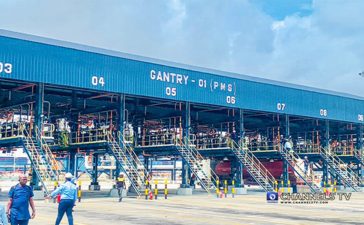
The Dangote Petroleum Refinery supplied more petrol to the Nigerian market in August than all petrol importers combined, according to the latest data from the Nigerian Midstream and Downstream Petroleum Regulatory Authority (NMDPRA).
The NMDPRA’s August 2026 State of the Midstream and Downstream Sector report showed that domestic Premium Motor Spirit (PMS) receipts increased by 39 per cent, rising from 25.8 million litres per day in July to 35.9 million litres per day in August.
At the same time, petrol imports declined by 26 per cent, from 19.7 million litres per day in July to 14.6 million litres per day in August.
This meant that domestic petrol supply exceeded imported supply by 21.3 million litres per day during the month.
Overall, Nigeria received an average of 50.5 million litres of petrol daily in August, representing an 11 per cent increase from the 45.5 million litres recorded in July.
Domestic supply accounted for about 71 per cent of total petrol receipts, while imports represented approximately 29 per cent.
The Dangote refinery was responsible for most of the domestic supply. NMDPRA data showed that the refinery produced an average of 41.94 million litres of PMS per day in August.
Of this amount, about 35.87 million litres per day were supplied to the domestic market, while approximately 9.73 million litres were exported.
The refinery ended August with about 360.4 million litres of petrol in stock, while its reported average capacity utilisation stood at 105.21 per cent.
The increase in local petrol supply also came as Nigeria’s petrol consumption declined. NMDPRA recorded average PMS consumption of 41.5 million litres per day in August, down 14 per cent from 48.3 million litres per day in July.
The regulator also reported a slight improvement in petrol stock sufficiency, which increased from 22.4 days in July to 22.9 days in August.
The latest figures show the growing role of domestic refining in Nigeria’s petroleum market. However, the data also showed that the country’s three major state-owned refineries — Port Harcourt, Warri and Kaduna — were still listed as not producing during the month.
Crude oil receipts by domestic refineries nevertheless increased by 17 per cent, from 585,000 barrels per day in July to 683,000 barrels per day in August.
The development comes as Nigeria continues to expand domestic refining capacity while reducing its reliance on imported refined petroleum products.