Wholesale Gantry Price Adjusted Amid Global Crude Rally
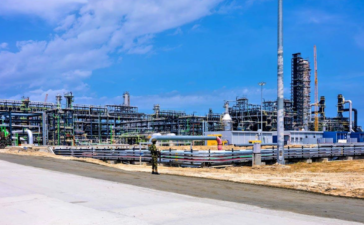
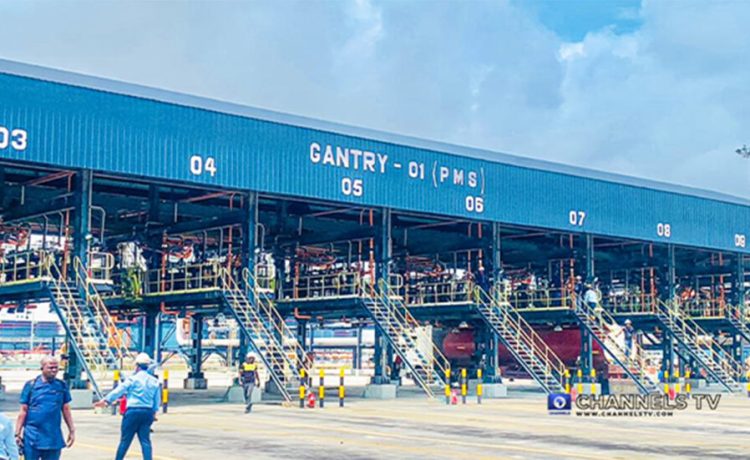
Dangote Petroleum Refinery officially announced a wholesale petrol gantry price adjustment earlier today. Specifically, the refinery management raised the wholesale price by N20, bringing the new price to N1,185 per liter.
The minor commercial price adjustment reflects rising international crude oil costs, as global Brent crude crossed $93 per barrel. Consequently, domestic refining margins adjusted to align with international raw material price trends.
Refinery executives emphasized that processing crude locally continues to cushion domestic consumers from extreme international freight costs. Therefore, local distribution networks continue receiving steady petroleum supplies from the Lekki facility without operational delays.
Local Refining Cushions Supply Chain Volatility
While global crude price increases impact raw material costs, domestic refining eliminates expensive overseas shipping and port handling fees. Historically, importing finished petroleum products exposed local markets to severe supply shortages and foreign exchange friction.
Conversely, sourcing fuel directly from local refineries guarantees continuous product availability across nationwide distribution depots. Continuous fuel availability prevents panic buying and eliminates long queues at urban filling stations.
Furthermore, local distribution allows oil marketing companies to plan transport logistics with transparent, market-reflective pricing models. In short, domestic refining infrastructure shields national energy markets from catastrophic global supply disruptions.
Expanding Domestic Petrochemical Supply Corridors
In addition to petrol production, the mega-refinery continues expanding its output of diesel, aviation fuel, and polypropylene byproducts. Local manufacturing industries rely on these refining byproducts to power heavy industrial machinery and produce consumer packaging materials.
Sustained industrial production supports local employment and reduces corporate dependency on imported chemical inputs. Furthermore, exporting surplus refined fuels to neighboring West African nations generates vital foreign currency earnings for the national economy.
Ultimately, building modern refining capacity secures long-term energy independence and drives regional industrial growth.