Africa’s avocado industry is experiencing strong growth, with exports reaching approximately 450,000 tonnes in 2025, representing a 16 per cent increase compared with the previous year.
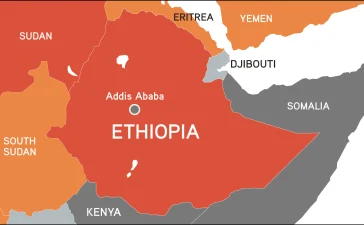
The growth is being driven by several major producing countries, including Kenya, Ethiopia and South Africa, while Morocco, Tanzania, Zimbabwe, Mozambique, Cameroon, Rwanda and Uganda are also expanding their production and export activities.
According to Rabobank’s Global Avocado Update 2026, Africa is becoming an increasingly important player in the global avocado market as production volumes grow and exporters search for new destinations.
Kenya and South Africa remain among the continent’s major suppliers to international markets. Morocco and Tanzania have also recorded significant growth in production in recent years.
African exporters have traditionally focused heavily on the European market. Europe accounted for about 82 per cent of the value of Africa’s avocado exports over the past five years, making it the continent’s most important destination.
However, producers are increasingly looking beyond Europe. Markets in Asia, particularly India and China, are becoming more important destinations for African avocados.
The diversification is partly aimed at reducing the risks associated with relying too heavily on a small number of export markets. Shipping disruptions and geopolitical tensions have also made international trade more challenging for producers.
African avocado exports have traditionally been concentrated during March and April. However, shipments between September and February have increased considerably since 2022. This has been supported by growing production from Morocco, Burundi and other emerging producers.
The expansion is creating opportunities for farmers, exporters, logistics companies and processors across the continent.
Kenya, for example, is expected to increase avocado production in 2026, with growing export demand remaining a major driver of the industry. The country has also benefited from increased access to international markets.
Despite the positive outlook, the industry continues to face challenges. Weather conditions have affected production in some countries. Morocco experienced a decline during the 2025/26 season after a strong previous harvest, with high temperatures and insufficient rainfall affecting orchard performance.
Logistics also remain a major concern. Disruptions around major shipping routes, including the Red Sea and Strait of Hormuz, can increase transportation costs and create uncertainty for exporters.
Rabobank has therefore highlighted the importance of expanding into new markets and strengthening Africa’s ability to supply avocados throughout more of the year.
The continued expansion of the sector could provide African farmers with increased export earnings while creating jobs across farming, packaging, transportation and food processing.
With production increasing and demand for avocados remaining strong globally, Africa is expected to play an increasingly important role in the international avocado trade.