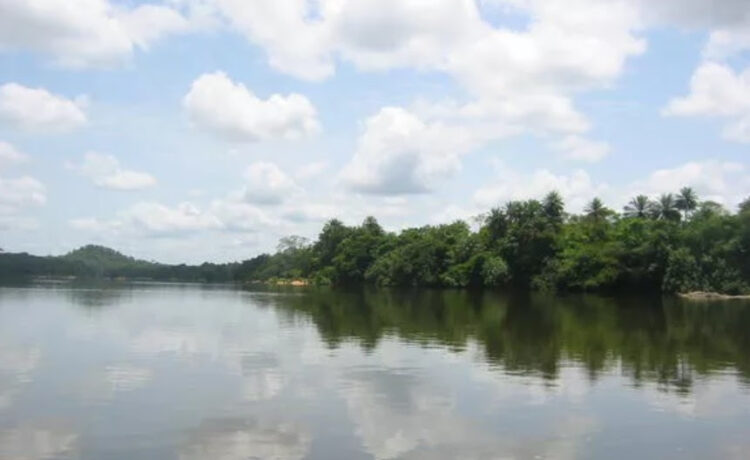
Deep within Sierra Leone’s Upper Guinean rainforest lies Tiwai Island, a 12-square-kilometre wildlife sanctuary offering visitors an opportunity to experience some of West Africa’s most remarkable biodiversity.
Surrounded by the Moa River, the island is recognised for its rich wildlife, including rare primates, elusive pygmy hippopotamuses and a wide variety of bird species.
Unlike conventional tourist destinations built around large hotels and busy entertainment centres, Tiwai offers a quieter experience centred on forest exploration, wildlife observation and interaction with nearby communities.
The sanctuary is particularly important because it protects species and habitats that are increasingly threatened by deforestation, habitat fragmentation and other human activities.
Its biodiversity and conservation significance also received international recognition when the wider Gola-Tiwai complex was added to UNESCO’s World Heritage List in July 2025.
For Sierra Leone, the island represents an opportunity to promote responsible tourism while protecting an important part of the country’s natural heritage.
A Sanctuary for Rare Primates and Pygmy Hippopotamuses
Tiwai Island is particularly famous for its concentration of primate species. Eleven species have been recorded on the island, making it one of the most important locations for primate conservation in the Upper Guinean rainforest.
Among the species found there are Diana monkeys, western red colobus monkeys and western chimpanzees.
The island is also home to the pygmy hippopotamus, an elusive and endangered species native to the forests and wetlands of West Africa.
Unlike the more familiar common hippopotamus, the pygmy hippopotamus is smaller and spends much of its time in forested habitats and river environments. Sightings are not guaranteed, making encounters with the animal particularly special for visitors.
Birdwatchers also have plenty to explore. The sanctuary’s official tourism information records more than 135 bird species, providing opportunities to observe different species during guided forest walks and river excursions.
The APES Atlas+2
Forest Walks, River Tours and Community Experiences
Tourism on Tiwai Island is designed around nature and cultural experiences rather than luxury accommodation.
Visitors can take guided walks through the rainforest, explore the surrounding Moa River by boat and visit neighbouring communities to learn about their traditions and way of life.
The eight host communities play an important role in the island’s conservation programme. Community involvement helps ensure that local residents benefit from tourism while contributing to the protection of the surrounding environment.
Accommodation is relatively basic, with visitors able to enjoy a more traditional rainforest experience. Community-prepared meals also give tourists an opportunity to experience local food and hospitality.
The official tourism programme includes forest walks, boat tours, community visits and opportunities to enjoy the island’s sandy river beaches during the dry season.
This approach makes Tiwai particularly attractive to visitors interested in wildlife, conservation, research and responsible travel.
tiwaiisland.org+2
Tourism Revenue Supports Conservation and Local Communities
One of the most important features of Tiwai Island is its community-led conservation model.
The island was declared a wildlife sanctuary in 1987 and is managed through arrangements involving government representatives, local communities, environmental organisations and academic institutions.
The Environmental Foundation for Africa (EFA) supports the island’s ecotourism activities, while the wider conservation structure encourages local participation in protecting the forest and its wildlife.
According to the official Tiwai Island tourism platform, revenue generated from tourism is reinvested in the sanctuary and a Community Development Fund that supports programmes in the eight host communities.
This arrangement provides an economic reason for local communities to protect the island’s natural resources.
It also demonstrates how tourism can contribute to conservation when local people are involved in decision-making and share in the benefits generated by visitors.
The model is particularly relevant to rainforest destinations facing pressure from activities such as hunting, habitat destruction and unsustainable resource extraction.
tiwaiisland.org+2
UNESCO Recognition Raises Tiwai Island’s Global Profile
In July 2025, UNESCO inscribed the Gola-Tiwai Complex on its World Heritage List, marking Sierra Leone’s first World Heritage property.
The site comprises the Gola Rainforest National Park and Tiwai Island Wildlife Sanctuary, which together form part of the Greater Gola Landscape within the Upper Guinean Forest.
The complex covers approximately 71,203 hectares and supports more than 1,000 plant species, including 113 endemic species, as well as 55 mammal species, 19 of which are globally threatened.
Its wildlife includes the western chimpanzee, pygmy hippopotamus and African forest elephant. The wider complex also supports up to 448 bird species.
UNESCO recognised the area’s exceptional biodiversity and its importance for maintaining ecological processes and protecting threatened species.
The designation is expected to strengthen international interest in Sierra Leone’s natural attractions and create further opportunities for conservation financing and responsible tourism development.
UNESCO World Heritage Centre+2
Outlook: A Conservation Destination with Growing Tourism Potential
Tiwai Island demonstrates how a relatively small rainforest sanctuary can make a significant contribution to biodiversity protection and sustainable tourism.
Its rare wildlife, community involvement and UNESCO recognition give Sierra Leone an opportunity to attract visitors interested in nature-based travel.
However, maintaining the sanctuary’s appeal will require continued investment in conservation, visitor facilities, research and community development.
Tourism growth must also be carefully managed to prevent damage to the fragile ecosystem that makes the island special.
For Sierra Leone, Tiwai Island is more than a wildlife destination. It is an example of how protecting natural heritage can support local livelihoods, strengthen environmental awareness and create economic opportunities.
As international interest in responsible tourism grows, the island could become one of West Africa’s most important destinations for rainforest exploration and wildlife conservation.