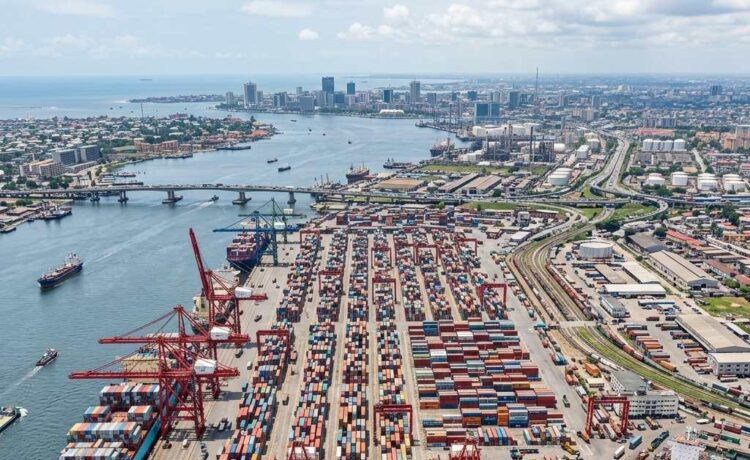
Twenty-two vessels carrying petroleum products, food items and other goods are expected at the Apapa and Tin Can Island ports in Lagos between October 27 and November 3, 2026, according to the Nigerian Ports Authority (NPA).
The development highlights the continued importance of Lagos ports to Nigeria’s import trade and the movement of essential commodities into the country.
According to the NPA’s Daily Shipping Position released on Tuesday, October 27, the expected vessels will transport a variety of cargoes, including containers of assorted goods, bulk wheat, diplomatic cargo, general cargo, trucks, bulk gas, ethanol, soybean oil, diesel and aviation fuel.
The update provides a snapshot of ongoing shipping activities at two of Nigeria’s busiest port locations. These facilities serve as major gateways for imported goods and support supply chains across different sectors of the Nigerian economy.
Four Vessels Await Berthing
The NPA reported that four ships and tanker vessels had arrived at the ports and were waiting to berth when the shipping position was issued.
Their cargoes included transformers, general cargo and petrol.
Berthing is the process of positioning a vessel at a designated location alongside a quay or terminal so that cargo operations can take place. The time required for a ship to berth can depend on factors such as available terminal space, port traffic, operational arrangements and the vessel’s readiness.
However, the NPA’s published update did not provide individual berthing times for the four vessels. It would therefore be premature to assume that all four ships would begin unloading at a particular time.
The authority also reported that 18 vessels were already discharging cargo at the two ports.
Cargo Discharge Continues
The 18 vessels undergoing cargo discharge were handling bulk wheat, base oil, bulk fertiliser, general cargo, trucks, bulk sugar, diesel, petrol and containers.
These commodities serve different parts of the economy. Wheat and sugar are important food-industry inputs, while fertiliser supports agricultural production. Diesel and petrol supply the energy and transport markets, and base oil is used in the manufacture of lubricants.
The arrival and handling of these products are relevant to importers, distributors, manufacturers and logistics operators. Nevertheless, the number of vessels alone does not establish how much cargo will reach the market or whether retail prices will change.
The NPA’s shipping position did not provide the total quantities of each commodity carried by the vessels. It also did not announce the final delivery dates for the goods after discharge.
Why the Update Matters to Importers
Shipping schedules help businesses plan cargo collection, transport arrangements, warehousing and distribution. Information about incoming vessels can also help logistics companies anticipate activity at terminals and coordinate the movement of containers and other goods.
For importers, the distinction between an expected vessel, a vessel waiting to berth and a vessel already discharging cargo is important. These stages represent different points in the port-handling process and do not necessarily mean that goods are immediately available for collection.
Port performance can influence the time and cost involved in moving imports from ships to warehouses and onward to final destinations. However, the latest NPA figures do not, by themselves, indicate whether congestion has improved or worsened.
What Happens Next?
The reporting period for the 22 expected vessels runs through November 3. Actual arrivals and discharge schedules may vary, so importers and other port users will need to follow subsequent shipping-position updates for further information.
The latest announcement confirms the range of cargoes expected at Apapa and Tin Can Island and the number of vessels reported as awaiting berthing or discharging goods at the time of the update.
It does not provide a guarantee that every expected vessel will arrive on schedule, nor does it establish the effect of the cargoes on commodity prices.
For now, the figures underline the continuing role of Lagos ports in receiving fuel, food-related products, industrial materials and other imports that support Nigeria’s trade and commercial activities.