A clinical trial of vaccine candidates against the Bundibugyo strain of Ebola has begun in Bunia, in the Democratic Republic of Congo, offering an important opportunity to generate evidence that could strengthen the response to the ongoing outbreak.
The trial, known as TUMAINI, meaning “hope” in Swahili, was launched on October 23. The World Health Organization confirmed that the study is a Phase 2/3 clinical trial intended to assess vaccine candidates against the virus responsible for the current outbreak.
The research is significant because there is currently no approved vaccine specifically for the Bundibugyo virus. The trial is intended to help establish the evidence needed to assess whether candidate vaccines can provide protection against the disease.
The announcement comes as DR Congo faces a major outbreak that has spread across several provinces and prompted additional public health measures in neighbouring countries.
Understanding the outbreak
According to the WHO’s October 23 situation update, DR Congo had recorded 9,704 confirmed cases and 4,687 deaths by October 20. Cases had been identified in 66 health zones across eight provinces.
The outbreak has also expanded beyond DR Congo. Kenya reported an imported case in early October, followed by additional cases among identified contacts. Nigeria confirmed an imported case in Abuja on October 20 involving a patient with a travel history to Uganda.
These developments highlight the importance of strengthening surveillance, rapid testing, isolation and cooperation between national health authorities.
The Bundibugyo virus belongs to the group of viruses that cause Ebola disease. Infection can lead to severe illness, and outbreaks require rapid public health action to identify cases and prevent further transmission.
Why the vaccine trial matters
Vaccines can be an important part of outbreak control, but candidates must undergo rigorous evaluation before their safety and effectiveness can be established.
A Phase 2/3 trial is designed to gather evidence about a candidate’s safety and immune response and, where the study design and circumstances allow, its ability to prevent disease.
The results will depend on the trial’s protocol, the number of participants, the level of exposure to the virus and the quality of follow-up. A trial announcement does not mean a vaccine has already been proven effective or approved for general use.
The WHO said it is supporting the trial alongside partners by providing technical, scientific and operational expertise. This support is important because vaccine research during an active outbreak requires careful coordination with local health services and affected communities.
Researchers must explain the purpose of the study, obtain informed consent and ensure participants understand the possible benefits and risks. Independent oversight and transparent reporting are also essential.
Challenges facing health authorities
The outbreak has exposed continuing difficulties in detecting cases early and ensuring timely access to appropriate care. The WHO has noted that a substantial proportion of deaths have occurred in communities rather than treatment centres.
That pattern underlines the importance of public awareness, accessible health facilities and rapid referral systems.
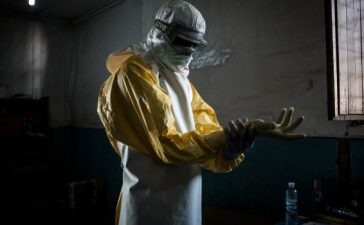
Health workers also face risks while responding to suspected cases. Adequate protective equipment, infection prevention procedures and support for frontline staff are necessary to keep both healthcare workers and patients safe.
Vaccine research cannot replace these immediate measures. Authorities must continue contact tracing, laboratory testing, safe care and community engagement while studies proceed.
What happens next?
The TUMAINI trial represents a step towards building evidence against a strain for which there is no approved vaccine. Its findings may inform future prevention strategies, although the timeline and outcome remain uncertain.
For affected communities, the immediate priorities remain early diagnosis, access to treatment and reliable public information. International partners will also need to maintain support for local health systems.
The trial offers a potential contribution to future preparedness, but its success will depend on scientific results, ethical implementation and continued cooperation between researchers, health authorities and the communities most affected by the outbreak.